
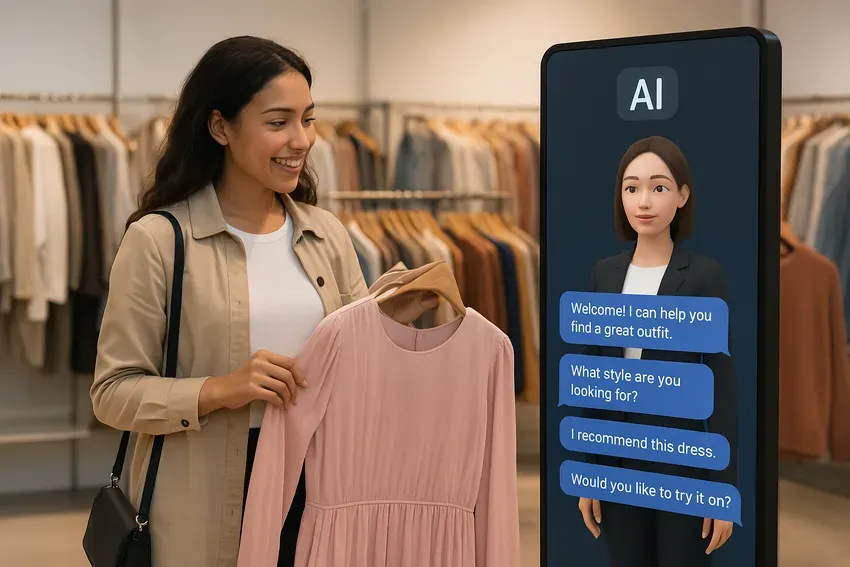
AI styling assistants are reshaping how people discover outfits, shop for clothing, and define their personal style in a digital-first world. What once required flipping through magazines or booking sessions with professional stylists can now happen instantly through intelligent platforms that analyze preferences, body types, and fashion trends.
The modern consumer faces an overwhelming number of choices. Online stores release new collections weekly. Social media introduces fresh trends daily. Amid this constant change, many people struggle with decision fatigue.
Artificial intelligence is stepping in as a practical solution.
Instead of guessing what might look good, users now receive curated recommendations tailored to their individual tastes and lifestyle needs. The experience feels less like scrolling endlessly and more like having a digital stylist available 24/7.
The Rise of AI Styling Assistants in Fashion Tech
The fashion industry has always embraced innovation. From automated manufacturing to e-commerce personalization, technology drives transformation.
Now, AI styling assistants are becoming central to that evolution.
Major retailers and tech companies are investing heavily in intelligent fashion platforms. For example, Stitch Fix uses algorithms combined with human stylists to recommend clothing based on customer profiles. Similarly, Amazon integrates AI-driven personalization into its fashion recommendations.
Luxury brands are also exploring digital styling through partnerships with tech startups. Virtual try-on features powered by augmented reality are appearing across apps and websites.
Consumers are no longer passive shoppers. They expect personalized, efficient, and visually engaging experiences.
How AI Styling Assistants Actually Work
At the core of these platforms are machine learning models trained on vast datasets of fashion images, purchasing patterns, and style preferences.
When a user signs up, they provide information such as size, preferred colors, budget range, and lifestyle details. The system analyzes this data and compares it with trend databases and historical purchasing behavior.
Over time, the assistant learns from user feedback. If someone consistently rejects bold prints, the algorithm adjusts future recommendations accordingly.
Computer vision technology plays a major role. It recognizes garment shapes, textures, and patterns, enabling accurate suggestions. Natural language processing also allows users to type requests like “casual office outfit for summer” and receive curated results instantly.
This blend of personalization and automation makes styling more accessible than ever.
Why Consumers Love AI Styling Assistants
Shopping fatigue is real. Endless browsing often leads to abandoned carts and regret purchases.
AI-powered styling tools reduce that frustration.
Imagine a working professional preparing for an important conference. Instead of visiting multiple stores, she opens a styling app that suggests three complete outfits based on the event type and weather forecast.
Within minutes, she feels confident about her choice.
That convenience builds loyalty. Many users appreciate how AI styling assistants save time while introducing new combinations they might not have considered.
There is also a financial advantage. Personalized suggestions reduce impulse buying and improve wardrobe cohesion. Consumers invest in pieces that align with their existing clothing rather than random trends.
AI Styling Assistants and Sustainable Fashion
Sustainability has become a priority in modern fashion.
Overproduction and fast fashion contribute significantly to environmental waste. AI-driven recommendation systems help address this issue by promoting mindful purchasing.
By analyzing wardrobe data, these tools can suggest new ways to style existing items instead of encouraging unnecessary shopping.
Some platforms collaborate with resale marketplaces, encouraging users to recycle or resell clothing.
Personalization also reduces return rates in online shopping. When sizing and style recommendations are accurate, fewer items are shipped back and forth, lowering carbon emissions.
Technology, in this sense, supports responsible consumption.
The Role of Social Media in AI Styling Assistants
Fashion inspiration often begins on platforms like Pinterest and Instagram.
AI systems analyze trending images, hashtags, and influencer styles to update recommendation engines in real time.
If oversized blazers suddenly trend globally, styling algorithms quickly incorporate that data.
Users benefit from staying current without manually tracking fashion cycles.
Influencers are also leveraging AI tools to curate content more efficiently. Instead of guessing which outfit combinations resonate with followers, they can rely on data-backed insights.
The intersection of AI and social media continues to redefine digital fashion culture.
Personalized Styling for Different Body Types
Traditional fashion advice often failed to address body diversity.
AI technology changes that narrative by offering inclusive recommendations based on precise measurements and user feedback.
Virtual fitting rooms simulate how garments drape on different body shapes. These simulations improve confidence before purchase.
Brands that adopt inclusive AI systems demonstrate commitment to diversity and representation.
Personalization fosters empowerment. Consumers feel seen rather than generalized.
Trust, Data Privacy, and Ethical Considerations
Whenever personal data is involved, trust becomes critical.
Reputable AI styling platforms implement secure data encryption and transparent privacy policies.
Users should review how their data is stored and whether it is shared with third parties.
Ethical AI development also involves addressing bias. Algorithms trained on limited datasets may unintentionally favor certain body types or cultural aesthetics.
Responsible companies continuously refine datasets to ensure inclusivity and fairness.
Expert oversight, combined with user feedback, strengthens reliability.
Building trust requires ongoing transparency and accountability.
Real-Life Story: From Confusion to Confidence
Consider a university student preparing for internship interviews.
He struggles with dressing professionally while maintaining personal style. After downloading a styling app, he inputs his budget and preferred colors.
The assistant recommends tailored trousers, a neutral blazer, and versatile shoes that can be styled casually as well.
He purchases only what he needs.
Weeks later, he feels confident walking into interviews, knowing his outfit reflects both professionalism and individuality.
That transformation illustrates how technology can support self-expression rather than dictate it.
AI Styling Assistants in Retail Strategy
Retailers are using intelligent styling tools to enhance customer engagement.
Online stores integrate real-time outfit suggestions directly into product pages. Shoppers viewing a jacket receive complete styling recommendations instantly.
This approach increases average order value while improving customer satisfaction.
Physical stores are also experimenting with smart mirrors that suggest complementary items.
The blending of digital intelligence with in-store experiences represents the future of retail.
Businesses that adopt AI thoughtfully gain a competitive advantage in a crowded market.
The Limitations of AI Styling Assistants
Despite their innovation, these systems are not flawless.
Fashion remains deeply emotional and cultural. Algorithms may struggle to interpret nuanced aesthetic preferences influenced by personal memories or heritage.
Overreliance on automated suggestions could limit creative experimentation.
Human stylists still offer empathetic understanding and emotional connection that AI cannot fully replicate.
The most effective approach combines digital recommendations with personal judgment.
Technology should inspire creativity, not restrict it.
The Future of AI Styling Assistants
The next generation of AI styling assistants may integrate voice interaction, augmented reality, and predictive trend analysis.
Imagine scanning your wardrobe and receiving instant mix-and-match suggestions projected onto a smart mirror.
Advanced AI could analyze upcoming calendar events and recommend outfits proactively.
Integration with wearable technology may allow systems to suggest breathable fabrics based on weather conditions and activity levels.
As machine learning models become more refined, personalization will reach unprecedented precision.
The fashion experience will become more interactive, intuitive, and sustainable.
EEAT in AI Styling Assistants
Experience matters in fashion. Platforms built with input from professional stylists ensure recommendations align with industry standards.
Expertise comes from combining data science with fashion knowledge. Authoritativeness grows when reputable brands adopt and endorse AI systems.
Trustworthiness relies on transparency in data handling and ethical algorithm design.
Consumers should look for platforms that clearly communicate how recommendations are generated.
Reliable AI solutions prioritize both innovation and responsibility.
In a rapidly evolving digital world, credibility distinguishes sustainable platforms from short-lived trends.
Read also :-
