


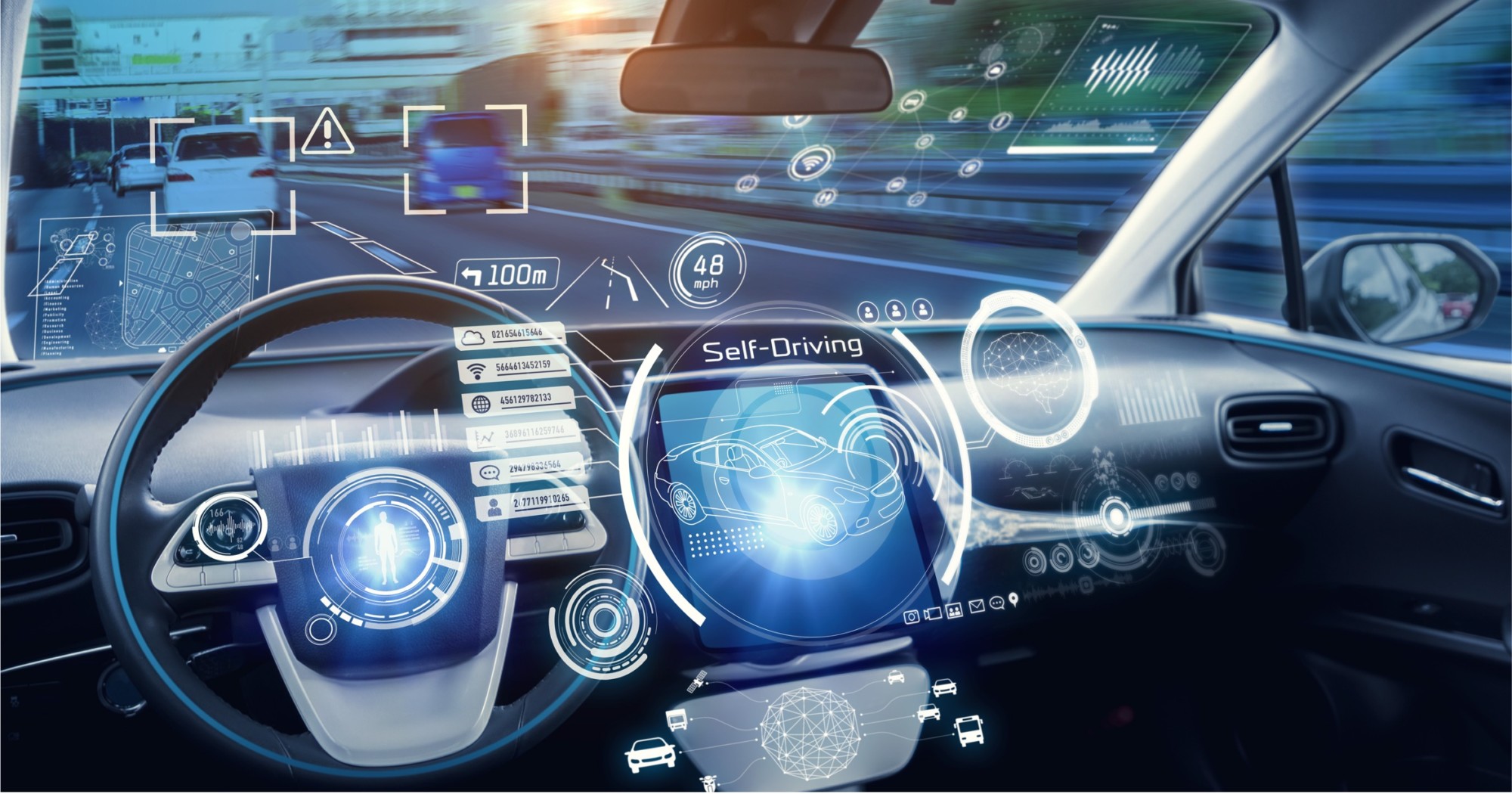
Automotive Technology Trends are reshaping the way people drive, travel, and experience transportation. Over the past decade, the automotive industry has gone through a remarkable transformation driven by innovation, digital technology, and changing consumer expectations.
Cars today are no longer just mechanical machines. They are becoming intelligent systems capable of communicating with drivers, infrastructure, and even other vehicles. From electric vehicles to autonomous driving, technology is redefining the relationship between humans and mobility.
Imagine sitting in a car that automatically adjusts its driving behavior based on traffic conditions, alerts you about potential hazards, and navigates through crowded city streets with minimal input. What once seemed like science fiction is quickly becoming reality.
Because of this rapid transformation, Automotive Technology Trends are now among the most discussed topics in the global transportation industry.
Table of Contents
ToggleThe Evolution of the Automotive Industry
The automotive industry has always been closely linked to technological progress. From the first gasoline-powered vehicles to modern hybrid engines, innovation has driven the industry forward.
Early pioneers like Henry Ford revolutionized transportation by introducing mass production techniques that made cars affordable to the general public.
Over the decades, improvements in engine performance, safety features, and fuel efficiency gradually enhanced the driving experience.
However, the current wave of innovation is happening at an unprecedented pace. Digital technology, artificial intelligence, and renewable energy are now influencing how vehicles are designed and manufactured.
These developments continue to shape modern Automotive Technology Trends.
Electric Vehicles Leading the Transformation
One of the most significant technological shifts in the automotive world is the rise of electric vehicles.
Electric cars eliminate traditional internal combustion engines and replace them with electric motors powered by rechargeable batteries.
Companies like Tesla have played a major role in popularizing electric mobility, demonstrating that electric vehicles can deliver both performance and sustainability.
Many traditional automakers are now investing heavily in electric vehicle development.
The shift toward electrification is driven by environmental concerns, government regulations, and consumer demand for cleaner transportation.
Because of these factors, electric mobility has become one of the most influential Automotive Technology Trends worldwide.
Autonomous Driving and Artificial Intelligence
Autonomous driving technology represents another groundbreaking development in the automotive sector.
Self-driving systems use sensors, cameras, radar, and artificial intelligence to analyze road conditions and make driving decisions.
Technology companies such as Waymo are actively testing autonomous vehicles capable of navigating complex urban environments.
These vehicles can detect pedestrians, traffic signals, and obstacles while continuously adjusting speed and direction.
Although fully autonomous cars are still under development, many vehicles today already include advanced driver-assistance features.
Adaptive cruise control, lane-keeping assistance, and automatic emergency braking are examples of technologies that enhance road safety.
Such innovations continue to influence Automotive Technology Trends across the global automotive industry.
Connected Cars and Smart Vehicle Communication
Another important development shaping modern transportation is vehicle connectivity.
Connected cars are equipped with internet-enabled systems that allow them to communicate with cloud platforms, smartphones, and other vehicles.
Drivers can receive real-time navigation updates, traffic alerts, and software upgrades directly through their vehicle’s interface.
Manufacturers such as BMW have integrated advanced connectivity systems that transform vehicles into mobile digital hubs.
These technologies also enable remote diagnostics, allowing technicians to monitor vehicle performance and detect potential issues.
Connectivity features are becoming standard in modern vehicles, reinforcing the importance of Automotive Technology Trends in improving convenience and safety.
Advanced Safety Systems and Driver Assistance
Safety has always been a priority in automotive engineering, but modern technology has taken it to a new level.
Advanced safety systems now combine sensors, cameras, and algorithms to prevent accidents before they occur.
Features such as blind-spot detection, collision warnings, and pedestrian detection are becoming common in new vehicles.
Organizations like Euro NCAP regularly evaluate vehicle safety performance and encourage manufacturers to implement advanced safety technologies.
These innovations help reduce road accidents and protect both drivers and pedestrians.
As safety systems continue to evolve, they remain a central component of current Automotive Technology Trends.
Sustainable Materials and Eco-Friendly Manufacturing
In addition to improving vehicle performance, automakers are also focusing on sustainability.
Many companies are exploring eco-friendly materials such as recycled plastics, plant-based fabrics, and lightweight alloys.
These materials help reduce vehicle weight, which improves energy efficiency and lowers emissions.
Manufacturers like Volvo have committed to reducing their environmental impact by adopting sustainable production methods.
Factories are increasingly powered by renewable energy sources, and supply chains are being redesigned to minimize waste.
Such efforts demonstrate how environmental responsibility is shaping modern Automotive Technology Trends.
Digital Cockpits and In-Car Experiences
Today’s vehicles are evolving into sophisticated digital environments that enhance the driving experience.
Modern dashboards feature large touchscreens, voice assistants, and customizable digital displays.
Drivers can control navigation, music, climate settings, and smartphone applications through intuitive interfaces.
Technology companies such as Apple have introduced systems like smartphone integration that allow drivers to connect their devices seamlessly to vehicle infotainment systems.
Voice commands and artificial intelligence are also becoming common, enabling drivers to interact with their vehicles more naturally.
These innovations highlight how Automotive Technology Trends are transforming the interior experience of modern cars.
The Role of Data and Software in Modern Vehicles
Software is now just as important as mechanical engineering in the automotive industry.
Modern vehicles contain millions of lines of code that manage everything from engine performance to entertainment systems.
Manufacturers regularly release software updates that improve features, enhance safety systems, and add new capabilities.
Over-the-air updates allow vehicles to receive improvements without visiting a service center.
This approach is similar to how smartphones receive updates, demonstrating how the automotive world is becoming increasingly digital.
Companies such as Ford Motor Company are investing heavily in software development to remain competitive in this rapidly evolving market.
These software-driven innovations continue to influence Automotive Technology Trends and redefine what vehicles are capable of achieving.
Urban Mobility and Future Transportation
Cities around the world are experiencing rapid population growth, creating new challenges for transportation systems.
Automotive technology is helping address these challenges by supporting smarter mobility solutions.
Electric ride-sharing vehicles, autonomous taxis, and intelligent traffic management systems are being developed to improve urban transportation.
Large metropolitan areas such as Tokyo are exploring advanced mobility infrastructure that integrates public transit with smart vehicles.
These systems aim to reduce traffic congestion, lower emissions, and improve transportation efficiency.
As urban mobility evolves, technological innovation will continue to shape the future of transportation.
The ongoing progress in Automotive Technology Trends shows that the vehicles of tomorrow will be smarter, safer, and more sustainable than ever before.
Read also: