


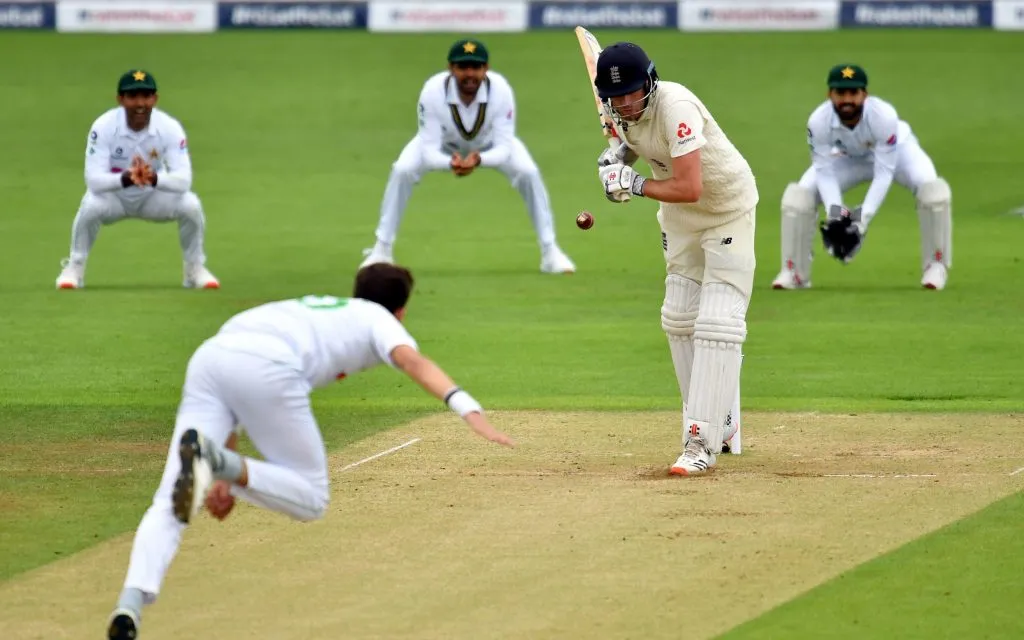
bowling to defensive field settings is one of the most misunderstood yet powerful tactics in cricket. From the outside, it can look negative or passive, but within the game’s deeper layers, it is often a calculated move rooted in patience, discipline, and long-term thinking. Captains and bowlers who master this approach understand that control can be just as threatening as aggression.
In modern cricket, where batters are stronger and boundaries shorter, defensive fields are no longer about surrendering initiative. They are about slowing momentum, forcing mistakes, and regaining psychological balance. This subtle chess match between bat and ball is where experience and tactical intelligence truly shine.
Table of Contents
ToggleUnderstanding the Idea Behind Defensive Field Settings
Defensive field settings are designed to limit scoring rather than immediately hunt wickets. They protect key boundary areas and invite batters to take risks in search of runs.
The philosophy is simple. If a batter cannot score freely, frustration creeps in. That frustration often leads to poor shot selection. Bowlers then capitalize, even without attacking fields.
This approach requires trust. The captain must trust the bowler’s accuracy, and the bowler must trust the fielders to maintain intensity despite fewer catching positions.
Why Captains Choose Bowling to Defensive Field Settings
Captains turn to defensive fields for several reasons. Sometimes the pitch offers little assistance. Sometimes the batter is set and dangerous. Other times the game situation demands containment rather than confrontation.
In limited-overs cricket, controlling run rate can be as valuable as taking wickets. In Tests, defensive fields can exhaust batters mentally over long spells.
The decision to rely on bowling to defensive field settings is rarely reactive. It is often part of a broader plan to shift momentum gradually.
The Bowler’s Role in Making Defensive Fields Effective
A defensive field only works if the bowler executes their plan precisely. Length, line, and variation become even more important.
Bowling too full or too short negates the field. The bowler must hit areas that force batters to play into the field rather than beyond it.
Patience is crucial. Defensive bowling is not about one magic delivery. It is about repeating good balls until pressure builds.
Psychological Pressure Created by Defensive Fields
One of the biggest strengths of defensive fielding is psychological. Batters sense the lack of scoring options and feel challenged to break free.
This mental battle often favors the bowling side. Batters who are denied boundaries start manufacturing shots.
When the mistake comes, it often looks unnecessary. That is the invisible success of a well-executed defensive plan.
Bowling to Defensive Field Settings in Test Cricket
Test cricket offers the clearest examples of defensive bowling success. Long spells with packed off-side fields and disciplined lines drain patience.
Bowlers focus on creating doubt rather than chasing edges aggressively. Batters are made to wait endlessly for scoring opportunities.
Many famous Test dismissals have come after long defensive spells, proving that wickets do not always come from attacking fields.
Limited-Overs Cricket and the Evolution of Defensive Bowling
In ODIs and T20s, defensive fields have evolved significantly. They are no longer static. Captains rotate fielders ball by ball to keep batters guessing.
Death overs especially rely on defensive positioning. Protecting boundaries forces batters to target low-percentage areas.
Here, bowling to defensive field settings becomes an art of denial rather than domination.
Matching Bowling Plans With Field Placements
Field settings must reflect bowling intent. A wide yorker demands protection behind square. A hard length outside off requires deep cover and point.
Mismatch between line and field placement invites easy runs. Communication between captain and bowler is therefore essential.
Experienced bowlers often suggest subtle field changes to fine-tune the plan, showcasing leadership within the unit.
Defensive Fields Against Set Batters
Set batters are the most dangerous. They read bowlers quickly and punish predictability.
Defensive fields against such batters aim to disrupt rhythm. Even if singles are allowed, boundaries are denied.
Over time, the batter’s patience is tested. This is where discipline often triumphs over flair.
Role of Spinners in Defensive Field Settings
Spinners thrive with defensive fields. Protecting the boundary allows them to attack stumps and vary pace without fear.
Batters forced to hit against the spin into large boundaries take greater risks. This increases dismissal chances.
Many captains rely on spinners to control the middle overs through intelligent defensive positioning.
Fast Bowlers and Controlled Aggression
Fast bowlers use defensive fields differently. They bowl heavy lengths, forcing mistimed strokes into the field.
Rather than chasing swing or seam, they focus on accuracy. The goal is to create pressure through dot balls.
This disciplined approach reflects maturity and trust in the overall game plan.
Defensive Fields as a Team Effort
Fielders play a crucial role in making defensive settings successful. Energy levels must remain high despite fewer chances.
Sharp stops, quick returns, and vocal support reinforce pressure. Lazy fielding undermines the entire strategy.
Teams known for strong defensive fielding often outperform more aggressive sides over long tournaments.
Bowling to Defensive Field Settings and Match Situations
Game context defines defensive tactics. Defending a low total, building pressure after a wicket, or managing a dangerous partnership all call for different approaches.
In rain-affected matches, defensive bowling can protect revised targets. In Tests, it can secure draws.
Understanding when to apply or abandon defensive fields separates good captains from great ones.
Data, Analytics, and Modern Defensive Strategies
Modern teams rely on data to design defensive fields. Batter scoring zones, preferred shots, and weakness patterns guide placements.
Analytics help identify where runs are most likely to be scored. Fielders are then positioned accordingly.
This blend of data and instinct has refined bowling to defensive field settings in contemporary cricket.
Common Mistakes in Defensive Bowling
The biggest mistake is drifting into negativity. Defensive does not mean aimless.
Bowling without purpose allows batters to rotate strike easily. Fields must be dynamic, not static.
Another error is staying defensive too long. Captains must sense when to switch gears and attack.
Defensive Fields and Young Bowlers
Young bowlers often struggle with defensive plans. They crave wickets and may lose patience.
Coaches emphasize learning control before aggression. Understanding defensive tactics builds maturity.
Over time, young bowlers realize that containment often creates wicket-taking opportunities naturally.
Crowd Perception vs Tactical Reality
Crowds often prefer attacking cricket. Defensive fields can draw groans from spectators.
However, results matter more than applause. Winning teams prioritize effectiveness over entertainment.
Great captains remain unaffected by noise, trusting their reading of the game rather than public sentiment.
Historical Examples of Defensive Bowling Success
Cricket history offers countless examples where defensive bowling changed matches. Long spells of containment shifted pressure decisively.
These moments are remembered by purists who appreciate the nuance of the sport.
They reinforce the idea that patience is as valuable as aggression.
Trust and Experience in Defensive Strategies
Defensive tactics rely heavily on trust. Captains trust bowlers to execute plans. Bowlers trust fielders to support them.
This trust is built through experience and shared success. Teams with strong internal belief execute defensive plans more effectively.
From an EEAT perspective, these strategies reflect deep understanding and practical expertise.
Bowling to Defensive Field Settings in High-Stakes Matches
High-stakes matches magnify every decision. Defensive fields are scrutinized intensely.
Yet, in pressure situations, containment often proves safer than reckless attacking fields.
Championship-winning teams consistently demonstrate composure and clarity in such moments.
The Balance Between Defense and Attack
The best teams know when to defend and when to attack. Defensive fields are not permanent states.
They are tools, used strategically within a broader plan. Switching seamlessly between modes keeps opponents off balance.
This adaptability defines elite cricketing minds.
Why Defensive Bowling Will Always Matter
Cricket continues to evolve, but fundamentals remain. Batters may innovate, but pressure still forces mistakes.
Defensive fields remain relevant because they target the mental side of batting.
As long as cricket is played, bowling to defensive field settings will remain a vital skill for captains and bowlers who value control, intelligence, and long-term success.
Read also :-
लखनौ सुपर जायंट्स वि सनरायझर्स हैदराबाद सामन्याचे स्कोअरकार्ड
પંજાબ કિંગ્સ વિ. મુંબઈ ઈન્ડિયન્સ મેચનું સ્કોરકાર્ડ
kwena maphaka current teams
सनरायझर्स हैदराबाद वि लखनौ सुपर जायंट्स सामन्याचे स्कोअरकार्ड
सनरायझर्स हैदराबाद वि राजस्थान रॉयल्स सामन्याचे स्कोअरकार्ड
mi new york vs washington freedom timeline
सनरायझर्स हैदराबाद वि गुजरात टायटन्स सामन्याचे स्कोअरकार्ड
sports career of vignesh puthur