


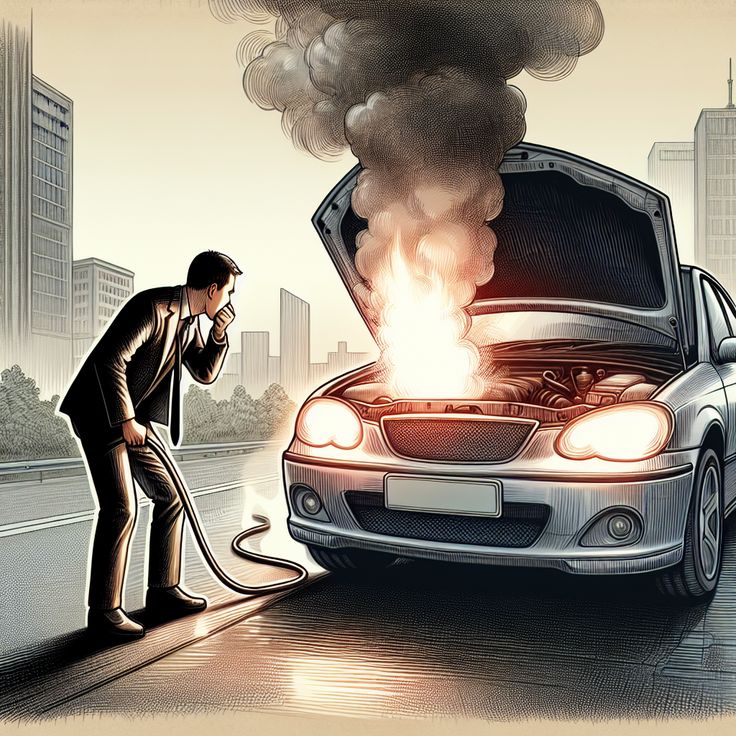
Car overheating solutions often become urgent the moment you see steam coming from under the hood or the temperature needle climbing into the red zone.
That moment of panic is something many drivers remember vividly. The car feels fine one second, and the next, warning lights flash and the engine smells hot. Overheating is not just a minor inconvenience. It is one of the fastest ways to destroy an engine if ignored, yet it is also one of the most preventable car problems when you understand what causes it.
This in-depth guide is written with real-world driving experience, professional automotive knowledge, and practical insights to help you recognize overheating risks early and respond the right way.
Why Engine Overheating Is More Common Than Drivers Think
Modern engines are designed to run hot.
Higher operating temperatures improve fuel efficiency and reduce emissions. The downside is that engines rely heavily on cooling systems working perfectly. A small failure, like a weak hose or low coolant, can quickly push temperatures beyond safe limits.
Traffic congestion, hot climates, and aggressive driving habits only increase the risk.
A Real Story That Shows Why Overheating Matters
A daily office commuter once noticed the temperature gauge creeping higher during evening traffic.
At first, the car cooled down once it started moving again, so the warning was ignored. Two weeks later, the engine overheated completely on the highway. A minor coolant leak had emptied the system, leading to a warped cylinder head.
What could have been a simple repair turned into a major engine rebuild.
How the Cooling System Actually Works
The cooling system is a closed loop.
Coolant absorbs heat from the engine, flows through the radiator, releases heat to the air, and cycles back. The thermostat controls flow, the water pump keeps coolant moving, and the fan helps cool things down at low speeds.
Every part must work together to keep temperatures stable.
Low Coolant Levels and Hidden Leaks
Low coolant is the most common overheating cause.
Coolant can leak slowly from hoses, radiator seams, or the water pump. These leaks often go unnoticed until overheating begins.
Regular coolant level checks are one of the simplest preventive steps any driver can take.
Radiator Problems That Trap Heat
Radiators are heat exchangers.
When fins are clogged with dirt, insects, or debris, airflow drops. Internal corrosion can also restrict coolant flow.
A radiator that cannot release heat efficiently will cause temperature spikes, especially in hot weather.
Thermostat Failures and Sudden Overheating
The thermostat controls coolant flow.
If it sticks closed, coolant cannot circulate, and engine temperature rises rapidly. If it sticks open, the engine may run too cool, affecting efficiency.
Thermostat failure is inexpensive to fix but costly if ignored.
Water Pump Issues That Drivers Often Miss
The water pump is the heart of circulation.
A worn pump reduces coolant movement, creating hot spots inside the engine. Leaks or unusual noises often signal pump failure.
Water pump issues rarely fix themselves and usually worsen over time.
Cooling Fan Problems in Stop-and-Go Traffic
Fans are critical at low speeds.
In traffic, airflow through the radiator is minimal. The cooling fan compensates for this. Electrical faults, bad sensors, or worn motors can prevent fans from engaging.
This explains why overheating often occurs in traffic rather than on open roads.
Car Overheating Solutions for City Driving Conditions
City driving places constant stress on engines.
Frequent stopping, idling, and heat buildup demand a healthy cooling system. Ensuring fans, coolant, and airflow are optimal is essential for urban drivers.
Routine inspections reduce unexpected breakdowns during daily commutes.
Engine Oil and Its Role in Temperature Control
Oil reduces friction inside the engine.
Low or degraded oil increases friction, which generates heat. Even with a perfect cooling system, poor oil condition can contribute to overheating.
Regular oil changes support temperature regulation and engine longevity.
Early Warning Signs Drivers Should Watch For
Overheating rarely happens without warning.
Rising temperature gauges, warning lights, steam, sweet smells from coolant, or reduced engine performance are signs of trouble.
Responding early can prevent severe damage.
What to Do Immediately When Your Car Overheats
Safety comes first.
Pull over safely, turn off the engine, and allow it to cool. Opening the hood helps release heat, but touching hot components can cause burns.
Never open the radiator cap while the engine is hot.
Long-Term Car Overheating Prevention Strategies
Prevention always beats repair.
Regular servicing, timely fluid changes, and cooling system inspections keep everything functioning correctly. Long-term reliability depends on consistency, not quick fixes.
Experienced mechanics emphasize maintenance as the most effective defense.
Climate and Driving Style Effects on Engine Temperature
Environment matters.
Hot climates increase cooling system demand, while mountainous terrain strains engines during climbs. Aggressive driving also raises engine temperatures quickly.
Adapting driving habits helps control heat.
Radiator Flushes and Why They Matter
Coolant degrades over time.
Deposits, rust, and scale reduce heat transfer efficiency. Radiator flushes remove contaminants and restore cooling performance.
Skipping flushes slowly weakens the entire system.
Overheating Risks in Older Vehicles
Older cars face unique challenges.
Aging hoses, worn seals, and corroded components increase leak risk. Preventive replacement becomes more important as vehicles age.
Older cars benefit most from proactive care.
Sensor Failures and False Temperature Alarms
Not every warning means real overheating.
Faulty temperature sensors or wiring can display incorrect readings. However, assuming a false alarm without inspection is risky.
Professional diagnosis ensures accuracy.
Airflow Problems Under the Hood
Engines need airflow.
Missing splash shields, blocked grills, or damaged underbody panels disrupt cooling airflow. Even small obstructions can raise temperatures.
Airflow is a silent but vital cooling factor.
Choosing the Right Coolant for Your Vehicle
Coolant types vary.
Using the wrong coolant reduces heat transfer efficiency and can cause chemical reactions inside the system. Manufacturer recommendations exist for a reason.
Correct coolant protects internal components.
Towing and Heavy Loads Increase Heat
Extra weight equals extra heat.
Towing trailers or carrying heavy loads makes engines work harder. Cooling systems must compensate for the added stress.
Preparation and monitoring reduce overheating risk.
Air Conditioning and Engine Temperature Balance
Air conditioning adds engine load.
In extreme heat, AC usage can push marginal cooling systems over the edge. Weak systems struggle to manage combined loads.
Balancing comfort and engine health matters.
DIY Checks Every Driver Can Perform
Basic awareness helps.
Checking coolant levels, looking for leaks, and monitoring gauges are simple habits that prevent emergencies.
Drivers don’t need to be mechanics to stay informed.
Professional Diagnostics and Their Value
Modern cars are complex.
Electronic sensors, variable fans, and smart thermostats require professional tools for accurate diagnosis.
Expert evaluation saves time and money.
The Cost Difference Between Early Repair and Engine Damage
Timing is everything.
Replacing a hose or thermostat costs little compared to repairing a warped engine block or blown head gasket.
Early action protects both safety and finances.
Seasonal Maintenance and Overheating Prevention
Seasonal changes affect vehicles.
Summer heat stresses cooling systems, while winter affects coolant composition. Seasonal inspections ensure year-round reliability.
Prepared vehicles handle extremes better.
Expert Mechanic Insights on Overheating
Experienced mechanics see patterns.
Most overheating cases stem from neglected maintenance rather than sudden failures. Simple checks prevent major issues.
Professional insight reinforces preventive care.
How Driving Habits Influence Engine Heat
Smooth driving reduces strain.
Gradual acceleration, avoiding high RPMs, and minimizing idling help control temperatures.
Driver behavior directly affects engine health.
Technology Improvements in Modern Cooling Systems
Technology has improved efficiency.
Electronic thermostats, variable-speed fans, and advanced sensors optimize cooling. However, even advanced systems need maintenance.
Technology supports care but doesn’t replace it.
Common Myths About Overheating
Water alone is not a solution.
While emergency water use may help temporarily, proper coolant is essential for long-term protection.
Misconceptions often cause more harm.
Preparing Your Car for Long Road Trips
Road trips test endurance.
Extended driving generates sustained heat. Pre-trip inspections of fluids, belts, and hoses reduce breakdown risk.
Preparation ensures stress-free travel.
Psychological Stress of Overheating Breakdowns
Breakdowns create anxiety.
Unexpected overheating raises safety and cost concerns. Reliable maintenance provides peace of mind.
Confidence in your vehicle improves every drive.
Maintenance Schedules and Engine Longevity
Manufacturers design schedules carefully.
Following recommended service intervals catches problems early. Consistency builds long-term reliability.
Maintenance is an investment, not an expense.
Overheating and Vehicle Resale Value
Engine condition affects value.
Overheating damage lowers resale prices significantly. Service records demonstrating proper care protect investment.
Well-maintained cars retain value longer.
Car Overheating Solutions That Truly Protect Engines
Real protection comes from understanding.
Temporary fixes only delay damage. Sustainable care focuses on cooling system health and early response.
When drivers apply proven car overheating solutions, overheating becomes manageable instead of catastrophic.
Engines communicate through temperature changes, and those who listen early enjoy safer drives, lower repair costs, and longer vehicle life.
Read more:
afghanistan national cricket team vs zimbabwe national cricket team match scorecard
afghanistan national cricket team vs zimbabwe national cricket team match scorecard
afghanistan national cricket team vs zimbabwe national cricket team match scorecard