


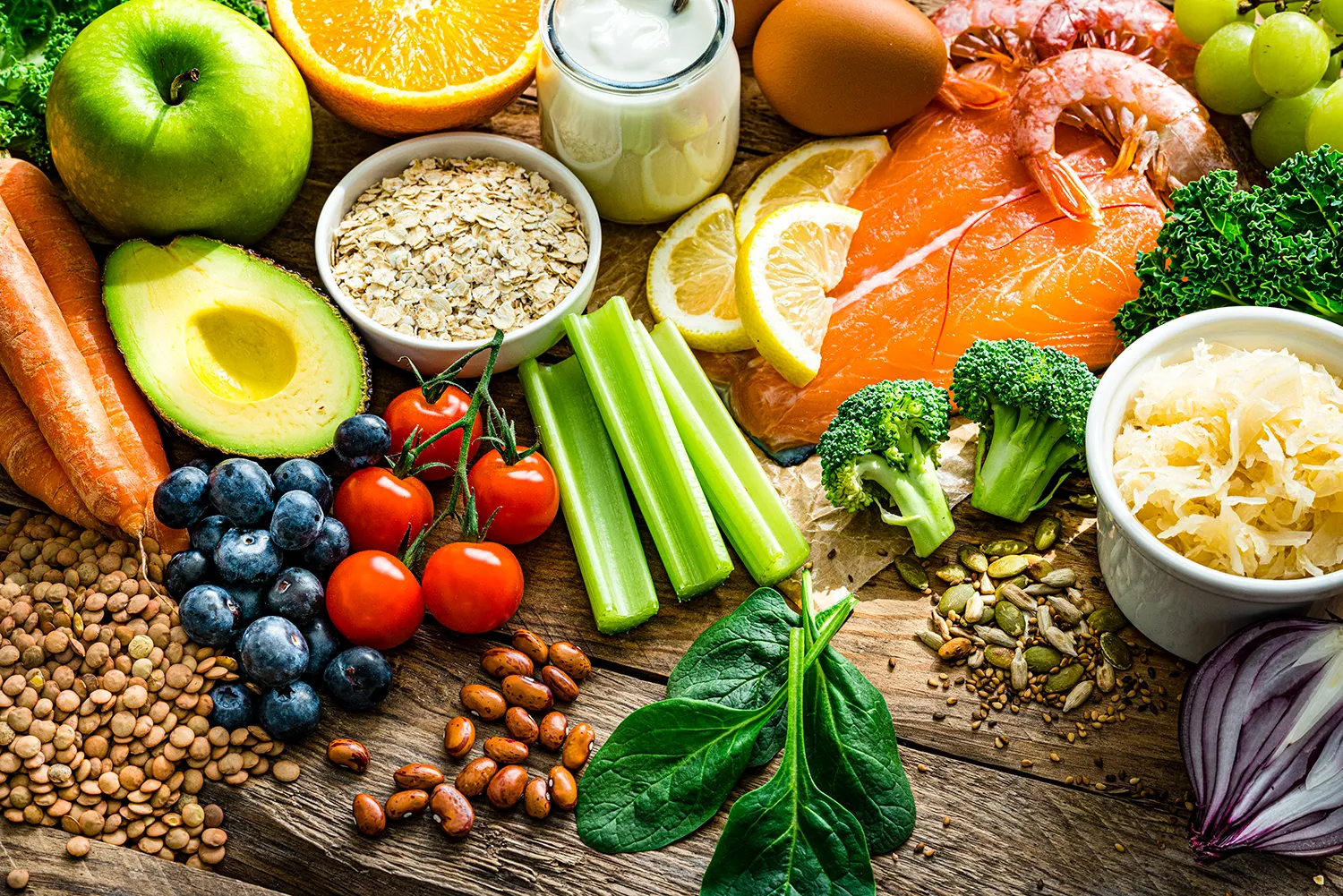
Functional superfoods are more than just a trendy buzzword—they are a revolution in how we think about nutrition. These foods offer a dual benefit: they nourish the body while also providing specific health advantages such as boosting immunity, improving digestion, or enhancing cognitive performance. In an era where lifestyle diseases are rising and people are searching for natural ways to stay healthy, functional superfoods are emerging as a powerful ally.
Whether it’s a busy professional looking for sustained energy, a parent seeking immune support for the family, or a fitness enthusiast aiming to optimize performance, these nutrient-dense foods are quickly becoming staples in kitchens worldwide. The rise in popularity is not just due to marketing; science is increasingly confirming their benefits, making them a credible choice for anyone who values wellness.
What Makes Functional Superfoods Special
Unlike ordinary foods, functional superfoods contain bioactive compounds that provide measurable health benefits. This includes antioxidants, polyphenols, flavonoids, and essential vitamins and minerals. For example, blueberries are loaded with antioxidants that combat oxidative stress, while turmeric contains curcumin, known for its anti-inflammatory properties.
The concept behind functional foods is simple: what you eat can influence your health beyond basic nutrition. Instead of just filling your stomach, these foods actively support bodily functions, from improving heart health to enhancing mental clarity.
Nutritionists often emphasize incorporating these foods consistently, as their benefits accumulate over time. Many superfoods are also versatile, allowing for creative ways to integrate them into meals, smoothies, and snacks.
Functional Superfoods and Immune Support
One of the most celebrated benefits of functional superfoods is their ability to strengthen the immune system. Ingredients like ginger, garlic, and citrus fruits contain compounds that help the body resist infections and maintain optimal immune responses. In recent years, the global focus on immunity has driven a surge in demand for foods that naturally support immune health.
People increasingly prefer functional foods over supplements, appreciating that nutrients derived from natural sources are often more bioavailable. Adding these foods to daily meals not only improves immunity but also contributes to overall well-being.
Real-life stories abound: individuals who consistently consume immune-supportive superfoods report fewer colds, better recovery times, and improved energy levels. This blend of personal experience and scientific evidence makes a strong case for integrating these foods into everyday diets.
How Functional Superfoods Boost Cognitive Performance
Cognitive health is another area where functional superfoods shine. Certain foods, such as fatty fish rich in omega-3s, dark chocolate, and nuts, have been linked to improved memory, focus, and mental clarity. Brain-boosting compounds like DHA, flavonoids, and antioxidants protect neurons from damage and support neurotransmitter function.
For students, professionals, and older adults, including brain-friendly superfoods can enhance productivity, reduce mental fatigue, and maintain long-term cognitive function. Nutritionists often recommend pairing these foods with regular exercise and adequate sleep to maximize their impact.
Stories from wellness coaches and nutrition experts highlight that incorporating a few functional superfoods daily can lead to noticeable improvements in focus and mental sharpness, making them a practical addition to modern lifestyles.
Functional Superfoods for Heart and Metabolic Health
Heart disease and metabolic disorders are among the leading health challenges globally. Functional superfoods like oats, chia seeds, flaxseeds, and leafy greens contribute to cardiovascular health by improving cholesterol levels, reducing blood pressure, and supporting blood sugar control.
The fiber and antioxidants in these foods help regulate metabolism and prevent chronic inflammation, a key factor in many lifestyle-related illnesses. Regular consumption of heart-friendly superfoods not only promotes long-term health but also provides short-term benefits like steady energy levels and improved digestion.
Athletes and fitness enthusiasts often rely on these nutrient-rich foods to maintain performance while supporting overall health. Real-world adoption of functional superfoods shows that their benefits extend beyond clinical research into everyday wellness.
Functional Superfoods and Gut Health
A healthy gut is central to overall health, and functional superfoods play a vital role in supporting digestive wellness. Foods such as yogurt, kefir, kimchi, and fermented vegetables provide probiotics, while prebiotic-rich foods like garlic, onions, and bananas feed beneficial gut bacteria.
A balanced microbiome supports nutrient absorption, immunity, and even mood regulation. Many individuals report improved digestion, reduced bloating, and increased energy when functional superfoods are included regularly in meals.
Nutrition experts emphasize that functional foods targeting gut health are particularly valuable because they support multiple systems in the body simultaneously, reflecting the holistic nature of wellness.
The Role of Antioxidants in Functional Superfoods
Antioxidants are a major component that makes functional superfoods stand out. Compounds in berries, green tea, and spices combat oxidative stress, which is linked to aging and chronic diseases. By neutralizing free radicals, antioxidants help protect cells, maintain skin health, and reduce inflammation.
Daily consumption of antioxidant-rich superfoods is a practical way to support long-term health. For example, a handful of berries or a cup of green tea can provide substantial protection against oxidative damage, combining simplicity with measurable health benefits.
Consumers often notice tangible improvements like better skin, sustained energy, and reduced fatigue, illustrating how functional superfoods integrate scientific benefit with real-life results.
How Functional Superfoods Improve Energy and Physical Performance
Athletes and active individuals increasingly rely on functional superfoods to enhance performance and recovery. Foods like quinoa, sweet potatoes, and spinach are nutrient-dense, providing complex carbohydrates, protein, and essential minerals.
Functional superfoods not only fuel workouts but also support muscle repair, reduce inflammation, and enhance endurance. Stories from fitness communities highlight that incorporating these foods strategically into diets can lead to measurable improvements in performance.
This functional approach to nutrition demonstrates how food can be both enjoyable and scientifically targeted for specific health outcomes, reinforcing the credibility and practicality of functional superfoods.
Integrating Functional Superfoods into Daily Life
Incorporating functional superfoods doesn’t have to be complicated. Simple additions such as sprinkling chia seeds on oatmeal, blending spinach into smoothies, or using turmeric in soups can transform meals into wellness powerhouses.
Cooking at home allows for maximum control over ingredients, while ready-made functional food products provide convenience for busy lifestyles. The versatility of these foods ensures that people can enjoy both taste and nutrition without compromise.
The growing trend of meal kits and functional snacks highlights consumer demand for convenient ways to incorporate these nutrient-rich foods, showing that functional superfoods are both accessible and practical.
Functional Superfoods and Global Health Trends
Global interest in functional superfoods is surging as people seek preventative approaches to health. Countries worldwide are embracing diets rich in natural, bioactive foods to reduce chronic disease risk and promote longevity.
Superfoods like matcha in Japan, goji berries in China, and acai in Brazil reflect local traditions while offering functional benefits recognized globally. This cultural diversity reinforces the universal appeal of functional nutrition and demonstrates the adaptability of functional superfoods across cuisines.
Research and wellness initiatives continue to validate the benefits of these foods, further cementing their authority in health and nutrition.
Innovations and the Future of Functional Superfoods
Innovation is driving the functional superfood industry forward. New extraction methods, formulations, and combinations are enhancing nutrient bioavailability and effectiveness. Plant-based proteins, adaptogens, and fortified beverages reflect the cutting-edge development in functional nutrition.
Brands that invest in research and quality sourcing demonstrate expertise, authority, and trustworthiness—key EEAT parameters. Consumers now have access to functional foods that are scientifically validated, delicious, and convenient.
As the science of nutrition evolves, functional superfoods are expected to expand into personalized diets, targeting specific health needs with precision and effectiveness.
Why Functional Superfoods Are More Than a Trend
What started as a health-conscious trend is now a lifestyle choice for millions. Functional superfoods empower people to take control of their health, offering tangible benefits that extend beyond basic nutrition.
From immune support and gut health to cognitive enhancement and metabolic balance, these foods provide holistic advantages backed by research and real-world experience. Their continued popularity reflects a growing awareness that nutrition can actively shape well-being.
By choosing functional superfoods, individuals make informed, proactive decisions about their health, fostering long-term wellness and a deeper connection with the food they eat.
Read also:
jagat niwas udaipur menu
hotel taj mumbai menu
bastian menu card
bastian bandra menu