


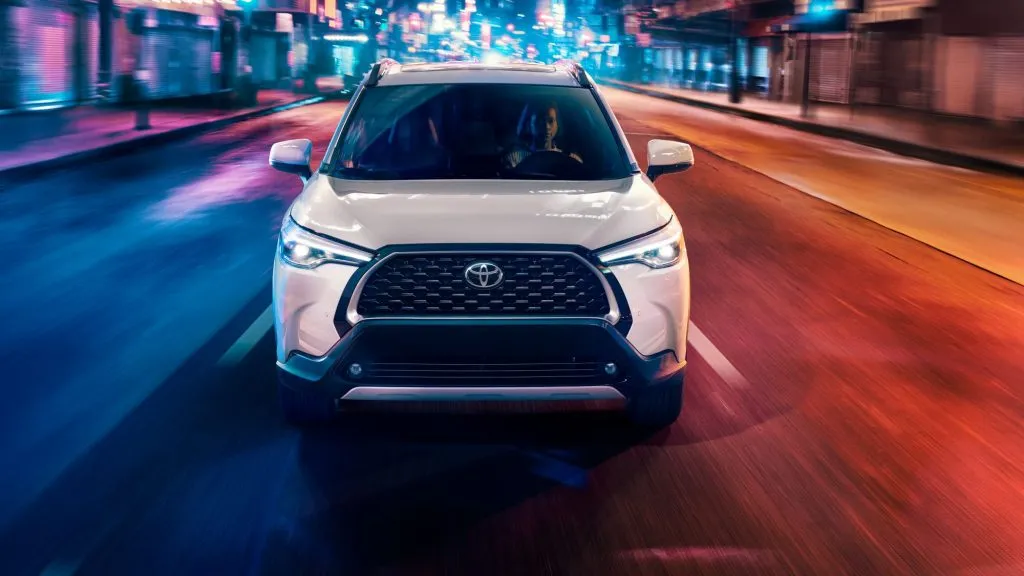
Hybrid car innovation is reshaping the way we think about mobility, fuel efficiency, and environmental responsibility. Just a decade ago, hybrid vehicles felt like niche experiments driven by eco-conscious buyers. Today, they stand at the heart of automotive strategy for global manufacturers and everyday drivers alike.
When a neighbor in my community switched from a traditional petrol sedan to a hybrid SUV, he didn’t do it for prestige. He did it because fuel prices were rising, and he wanted a smarter long-term solution. Within months, he noticed lower fuel bills, smoother rides, and surprisingly responsive performance. That simple switch reflects a much larger transformation happening across the automotive world.
This article explores how Hybrid car innovation is evolving, why it matters, and how it is shaping the future of transportation with trust, performance, and sustainability at its core.
The Evolution of Hybrid Car Innovation
The journey of hybrid technology began long before it became mainstream. Early experiments in combining electric motors with combustion engines date back over a century. However, modern success truly accelerated when manufacturers proved hybrids could be practical, reliable, and affordable.
The launch of the Toyota Prius marked a turning point. It demonstrated that fuel efficiency and environmental awareness could coexist with everyday usability. Soon after, brands like Honda and Ford Motor Company expanded hybrid offerings across sedans and SUVs.
What makes Hybrid car innovation different today is not just the combination of two power sources. It’s the intelligent integration of software, battery technology, regenerative systems, and predictive driving assistance. Modern hybrids are smarter, lighter, and far more efficient than their early counterparts.
How Hybrid Systems Actually Work
Understanding Hybrid car innovation becomes easier when you break down the system. A hybrid vehicle combines an internal combustion engine with one or more electric motors. The battery stores energy captured during braking or coasting and uses it to power the motor when needed.
When driving in city traffic, the electric motor often handles low-speed movement, reducing fuel consumption. During highway cruising, the petrol engine supports sustained performance. The transition between the two systems is seamless in modern vehicles, thanks to advanced control modules.
Regenerative braking is another crucial part of Hybrid car innovation. Instead of wasting kinetic energy as heat, the system converts it into electricity and stores it in the battery. This clever reuse of energy improves efficiency without requiring external charging in standard hybrid models.
Plug-in hybrids take it a step further. Vehicles like the Mitsubishi Outlander PHEV allow drivers to charge their batteries externally, offering extended electric-only driving ranges.
Hybrid Car Innovation and Fuel Efficiency
One of the strongest advantages of Hybrid car innovation lies in its fuel efficiency. With fluctuating fuel prices globally, especially in markets like India, Europe, and the United States, efficiency matters more than ever.
Hybrids excel in urban driving conditions. Stop-and-go traffic, which typically consumes the most fuel in conventional cars, becomes an opportunity for energy recovery in hybrids. Electric-only driving during traffic congestion reduces fuel use dramatically.
Real-world studies consistently show that drivers switching to hybrid vehicles save significant amounts on annual fuel expenses. Over five years, those savings can offset a large portion of the initial price difference between hybrid and traditional vehicles.
This financial practicality strengthens the appeal of Hybrid car innovation, making it not just an environmental choice but an economic one.
Environmental Impact and Sustainability
Climate change discussions have pushed automakers toward cleaner technologies. While fully electric vehicles attract attention, hybrids offer an accessible bridge between traditional and electric mobility.
Hybrid car innovation reduces carbon emissions without demanding a complete shift in infrastructure. Unlike fully electric vehicles, standard hybrids do not rely solely on charging stations. This makes them ideal for regions where charging networks are still developing.
Manufacturers are also investing in sustainable battery production. Companies like Toyota Motor Corporation are researching solid-state batteries that promise longer lifespan, higher energy density, and safer operation.
In addition, hybrid systems reduce noise pollution. Electric motors operate quietly, particularly at low speeds, improving urban living conditions.
The Role of Technology in Hybrid Car Innovation
Modern Hybrid car innovation is deeply connected to software intelligence. It’s no longer just about engines and motors; it’s about data.
Advanced algorithms analyze driving patterns, terrain, and battery levels to optimize performance in real time. Vehicles can predict when to switch between electric and combustion modes for maximum efficiency.
Brands like Hyundai Motor Company integrate digital dashboards that provide real-time energy flow visualization. Drivers can see exactly how energy is being used or regenerated, making the experience interactive and educational.
Connectivity features also allow hybrid vehicles to sync with smartphone apps, helping drivers track fuel savings, emissions reductions, and maintenance schedules.
Hybrid Car Innovation in the Indian Market
India presents a unique case for Hybrid car innovation. With rising fuel prices, congested cities, and growing environmental awareness, hybrids are gaining traction.
Models like the Toyota Innova HyCross have shown strong demand. Indian consumers appreciate the blend of performance, mileage, and reliability.
Government policies encouraging lower emissions are also influencing buying decisions. Although electric vehicles receive attention, many buyers see hybrids as a practical middle path that doesn’t depend heavily on charging infrastructure.
As urbanization accelerates, Hybrid car innovation could play a crucial role in reducing urban air pollution while maintaining mobility flexibility.
Performance and Driving Experience
A common myth is that hybrids compromise performance. In reality, Hybrid car innovation often enhances it.
Electric motors deliver instant torque. This means quicker acceleration from a standstill, smoother overtaking, and responsive city driving. When paired with a combustion engine, the combined output can rival traditional performance vehicles.
For example, some hybrid variants from BMW integrate electric assistance into sporty sedans, providing both efficiency and excitement.
Drivers frequently describe hybrid rides as smoother and quieter. The absence of engine noise during low-speed operation adds to the comfort factor, especially during daily commutes.
Safety and Reliability Standards
Trust is essential in automotive decisions. Over the years, Hybrid car innovation has proven its reliability through millions of vehicles on the road.
Battery systems are designed with multiple safety layers, including temperature control, impact resistance, and automatic shutdown features. Independent crash tests show that hybrid vehicles perform comparably to traditional cars.
Manufacturers typically offer extended warranties on hybrid batteries, sometimes up to eight years or more. This reassurance enhances consumer confidence.
Routine maintenance for hybrids is often similar to conventional cars, with the added benefit of reduced brake wear due to regenerative braking.
Economic Benefits Beyond Fuel Savings
While fuel efficiency is the headline benefit, Hybrid car innovation also brings long-term economic advantages.
Lower emissions can result in tax incentives in certain regions. Insurance premiums may be competitive due to advanced safety systems integrated into many hybrid models.
Resale value is another important factor. As demand for eco-friendly vehicles grows, hybrids often maintain strong resale performance compared to older petrol-only models.
Fleet operators, including ride-sharing services, increasingly adopt hybrids to reduce operational costs. This trend further strengthens the market presence of Hybrid car innovation globally.
Research, Development, and the Future
Automotive research labs worldwide are focused on pushing Hybrid car innovation further. The next frontier includes lighter materials, improved battery chemistry, and enhanced energy management systems.
Solid-state batteries promise faster charging and longer durability. Artificial intelligence integration will allow vehicles to adapt more efficiently to driver habits and traffic patterns.
Collaboration between automakers and technology firms is accelerating innovation. Partnerships are forming to refine software platforms, improve battery recycling, and enhance overall sustainability.
As governments introduce stricter emission regulations, hybrids will likely continue evolving as a transitional yet powerful solution.
Consumer Awareness and Education
An interesting aspect of Hybrid car innovation is the growing role of consumer education. Buyers today research deeply before making vehicle decisions.
Online reviews, independent automotive journalists, and expert evaluations contribute to informed purchasing choices. Transparency about battery life, maintenance costs, and performance data strengthens trust.
Automakers increasingly publish detailed efficiency reports and sustainability commitments, aligning with global environmental goals. This open communication reflects the EEAT principles of expertise, experience, authority, and trustworthiness.
Infrastructure and Global Adoption
Unlike fully electric vehicles, Hybrid car innovation does not depend entirely on charging infrastructure. This flexibility supports adoption in rural areas and developing regions.
Countries with emerging economies find hybrids especially attractive because they require minimal lifestyle adjustment. Drivers refuel normally while benefiting from electric efficiency.
In advanced markets, hybrids complement electric vehicle strategies, offering diversity in consumer choice. The coexistence of both technologies creates a balanced pathway toward cleaner transportation.
Hybrid Car Innovation and Corporate Responsibility
Major automakers are publicly committing to carbon neutrality targets. Hybrid car innovation plays a key role in achieving these goals without disrupting consumer habits overnight.
Sustainable manufacturing practices, ethical sourcing of battery materials, and recycling programs are becoming central priorities. Companies emphasize lifecycle assessments to measure total environmental impact.
Investments in renewable energy-powered factories also contribute to reducing overall emissions associated with vehicle production.
The Human Side of Hybrid Car Innovation
Behind every technological shift are real people making practical decisions. Families seeking cost savings, professionals commuting daily, and businesses managing fleets all benefit from smarter mobility solutions.
A school teacher I once spoke with chose a hybrid hatchback not because she was an environmental activist, but because she wanted reliability and savings. Over time, she became more conscious of her reduced carbon footprint. That ripple effect illustrates how Hybrid car innovation influences both economics and awareness.
Technology becomes meaningful when it improves everyday life. Hybrids achieve that balance by offering convenience, responsibility, and performance in one package.
Market Trends and Industry Momentum
Global sales data indicate consistent growth in hybrid vehicle adoption. As battery technology becomes more affordable, price gaps between hybrids and conventional cars continue shrinking.
Automakers are expanding hybrid options across segments, from compact hatchbacks to luxury SUVs. This diversification ensures that Hybrid car innovation reaches a broader audience.
Industry analysts predict that hybrids will remain relevant even as electric vehicles expand. Their dual-power advantage provides stability during infrastructure transitions.
Hybrid vehicles are no longer experimental concepts or niche products. They represent a mature, reliable, and forward-thinking solution to modern mobility challenges. Through efficiency, intelligent engineering, and consumer trust, Hybrid car innovation continues to redefine how the world drives.
Read also: