


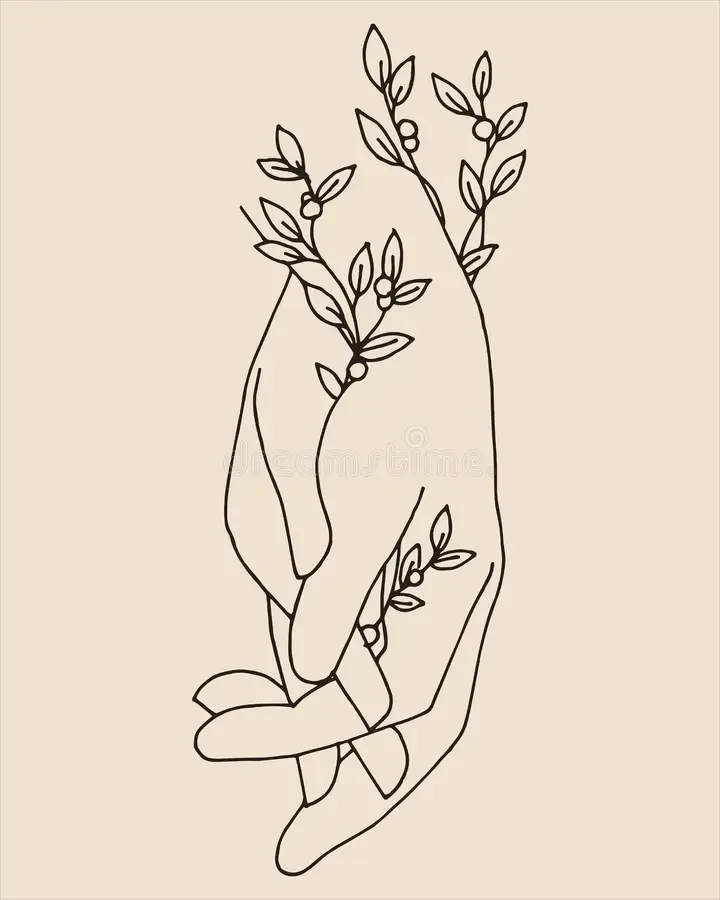
Minimal hand art has emerged as a powerful form of expression in a world that increasingly values simplicity, intention, and authenticity. From delicate line work on fingers to subtle symbols resting quietly on the palm, this art form proves that less can truly be more. Unlike elaborate designs that demand attention, minimal hand art invites a second glance, rewarding the viewer with meaning hidden in restraint.
This style resonates deeply with modern lifestyles. People today move fast, multitask constantly, and seek calm wherever possible. Minimal hand art reflects that mindset, offering visual clarity and emotional grounding without overwhelming the senses. It feels personal rather than performative, intimate rather than decorative.
Table of Contents
ToggleThe Philosophy Behind Minimal Hand Art
At its core, minimal hand art is rooted in the philosophy of intentionality. Every line, dot, or symbol has a purpose. There is no room for excess, which means the artist must be deliberate and thoughtful in execution.
This philosophy mirrors minimalism in architecture, fashion, and lifestyle. The idea is not to remove meaning, but to distill it. When applied to hand art, this approach creates designs that feel timeless and emotionally resonant rather than trend-driven.
How Minimal Hand Art Differs From Traditional Styles
Traditional hand art, such as detailed mehndi or intricate tattoo work, often focuses on filling space. Patterns flow across the skin, creating density and richness. Minimal hand art takes the opposite approach, allowing skin to become part of the design.
Negative space plays a vital role here. The absence of ink or henna is as important as its presence. This balance creates visual breathing room and highlights the artistry of simplicity, requiring confidence from both the artist and the wearer.
The Emotional Appeal of Subtle Designs
Minimal designs often carry deeper emotional weight than elaborate ones. A single line can symbolize a journey, while a small symbol may represent love, loss, or resilience. Because the designs are understated, their meanings tend to be personal and private.
Many people choose minimal hand art during transitional moments in life. Graduations, career changes, healing phases, or personal milestones often inspire designs that act as quiet reminders rather than bold declarations.
Minimal Hand Art in Modern Fashion Culture
Fashion has embraced minimal hand art as an extension of personal style. Designers and stylists often favor clean hands with subtle accents that complement outfits rather than compete with them.
Runway models, influencers, and creative professionals frequently showcase minimalist designs that align with contemporary aesthetics. These designs photograph beautifully, adding depth to visual storytelling without distracting from the overall look.
Cultural Roots and Global Influence
While minimal hand art feels modern, its roots span cultures and centuries. Ancient symbols, sacred geometry, and spiritual markings often relied on simplicity to convey meaning.
Today’s minimalist designs draw inspiration from these traditions while adapting them to modern sensibilities. This cultural continuity adds depth and authenticity, reinforcing the trustworthiness of the art form.
Placement and Its Impact on Meaning
Placement is crucial in minimal hand art. A small symbol on the finger can feel intimate, while a design on the back of the hand may feel more expressive. Each placement carries its own emotional and visual significance.
Experienced artists guide clients through placement choices, considering hand shape, movement, and lifestyle. This expertise ensures that the design feels natural and harmonious rather than accidental.
The Role of Line Work and Precision
Minimal hand art relies heavily on clean line work. Because there are fewer elements, any imperfection becomes noticeable. This demands a high level of skill and control from the artist.
Fine lines, consistent pressure, and steady hands are essential. Professionals often spend years refining these techniques, making minimal art deceptively challenging despite its simple appearance.
Minimal Hand Art for Everyday Wear
One reason minimal hand art has gained popularity is its suitability for everyday life. These designs blend seamlessly into daily routines, whether at work, social gatherings, or casual settings.
People who prefer understated elegance find minimal hand art aligns perfectly with their lifestyle. It enhances rather than defines their appearance, allowing personality to shine through naturally.
Temporary Versus Permanent Expressions
Minimal hand art appears in both temporary and permanent forms. Henna, jagua, and ink each offer different experiences and levels of commitment.
Temporary designs allow experimentation and flexibility, while permanent art offers lasting symbolism. The choice often reflects the wearer’s comfort level and emotional connection to the design.
Storytelling Through Symbols
Symbols are central to minimal hand art. Simple shapes such as circles, lines, dots, or small icons often carry layered meanings.
A circle might represent wholeness, while a line could symbolize progress. These interpretations vary from person to person, making each design uniquely personal even when the symbol itself is universal.
Minimal Hand Art and Gender-Neutral Expression
Minimal hand art transcends gender norms. Its simplicity and versatility appeal to people across the gender spectrum, offering a form of expression that feels inclusive rather than prescriptive.
Designs focus on meaning rather than ornamentation, making them accessible to anyone seeking subtle self-expression. This inclusivity contributes to the growing popularity of minimalist designs.
Professional Settings and Subtle Art
In professional environments, minimal hand art is often more acceptable than elaborate designs. Its understated nature allows individuals to express themselves without clashing with workplace expectations.
Small, discreet designs can feel empowering, offering a sense of individuality within structured settings. This balance between expression and professionalism makes minimal hand art especially appealing.
The Artist–Client Relationship
Creating minimal hand art requires strong communication between artist and client. Because the design is simple, understanding intent becomes even more important.
Artists often spend time discussing meaning, placement, and scale before beginning. This collaborative process builds trust and ensures the final result aligns with the client’s vision and emotional intent.
Influence of Social Media and Digital Aesthetics
Social media has played a significant role in popularizing minimal hand art. Clean visuals, neutral tones, and close-up photography highlight the elegance of simplicity.
Digital platforms reward designs that are visually calm and aesthetically pleasing. Minimal hand art fits naturally into this landscape, gaining visibility and appreciation across global audiences.
Minimal Hand Art as a Mindful Practice
For some, minimal hand art is more than decoration; it is a mindful practice. The process of choosing a design encourages introspection and self-awareness.
Wearing the art becomes a daily reminder of intention, helping individuals stay connected to their values. This mindful aspect adds emotional depth to the visual simplicity.
Material Choices and Skin Interaction
The materials used in minimal hand art affect both appearance and longevity. Natural henna creates softer tones, while ink offers sharper contrast.
Artists consider skin tone, texture, and sensitivity when recommending materials. This attention to detail reflects professionalism and enhances the overall experience.
The Balance Between Trend and Timelessness
Trends come and go, but minimal hand art tends to age gracefully. Its reliance on simplicity rather than novelty gives it lasting appeal.
Designs remain relevant even as fashion shifts, making them a safe yet meaningful choice for those wary of fleeting trends.
Minimal Hand Art and Personal Identity
Identity is complex, and minimal hand art offers a way to express it without oversimplification. A small design can hold multiple meanings, evolving as the wearer grows.
This adaptability allows the art to remain relevant throughout different life stages. Rather than becoming outdated, it gains new layers of meaning over time.
Healing, Memory, and Symbolic Marking
Many people turn to minimal hand art during healing processes. Designs may commemorate recovery, honor loved ones, or mark emotional milestones.
Because the art is subtle, it allows for private remembrance rather than public display. This quiet strength resonates deeply with those seeking comfort rather than attention.
Skill, Experience, and Ethical Practice
Experienced artists prioritize safety, hygiene, and ethical practices. This professionalism builds trust and ensures positive experiences for clients.
Minimal designs may look simple, but executing them responsibly requires training and care. Skilled artists understand this responsibility and approach their work with respect.
Minimal Hand Art in Creative Industries
Creative professionals often gravitate toward minimal hand art as an extension of their aesthetic. Designers, writers, and artists appreciate its alignment with thoughtful creativity.
The art becomes part of their visual language, subtly reinforcing their values and style. This integration highlights the versatility of minimalist designs.
Customization and Personal Touch
Customization is central to minimal hand art. Even the smallest design can be tailored to reflect personal stories or preferences.
Artists adapt symbols, spacing, and orientation to suit individual needs. This bespoke approach enhances emotional connection and satisfaction.
Longevity and Care Considerations
Caring for minimal hand art ensures it maintains clarity and impact. Proper aftercare preserves line integrity and color quality.
Artists often provide guidance on maintenance, reflecting commitment to quality beyond the initial application. This support builds long-term trust and loyalty.
Minimal Hand Art as Modern Ritual
In many ways, minimal hand art functions as a modern ritual. The act of choosing, applying, and wearing the design creates a meaningful experience.
This ritualistic aspect connects individuals to themselves, their memories, and their intentions. It transforms a simple design into a personal anchor.
The Quiet Power of Simplicity
Simplicity requires confidence. Choosing minimal hand art means trusting that meaning does not need to shout to be heard.
This quiet power is what draws people to minimalist designs. They speak softly but linger long after the first glance, leaving space for interpretation and connection.
Human Connection Through Art
At its heart, minimal hand art is about human connection. Between artist and client, between symbol and story, between skin and meaning.
This connection is what makes the art enduring. It is not defined by trends or external validation but by the authenticity of intention and experience.
Minimalism as a Form of Respect
Minimal hand art respects the body as a canvas rather than a surface to fill. It honors natural form and movement, working with the hand rather than against it.
This respect reflects a broader cultural shift toward mindfulness and intentional living. The art becomes a reflection of values as much as aesthetics.
A Living Expression of Modern Sensibility
As lifestyles continue to evolve, minimal hand art remains relevant because it adapts without losing essence. It grows alongside the wearer, absorbing new meanings and experiences.
This adaptability ensures its place in modern culture. Minimal hand art is not about absence but about presence, choosing what matters and letting it speak clearly, softly, and honestly.