
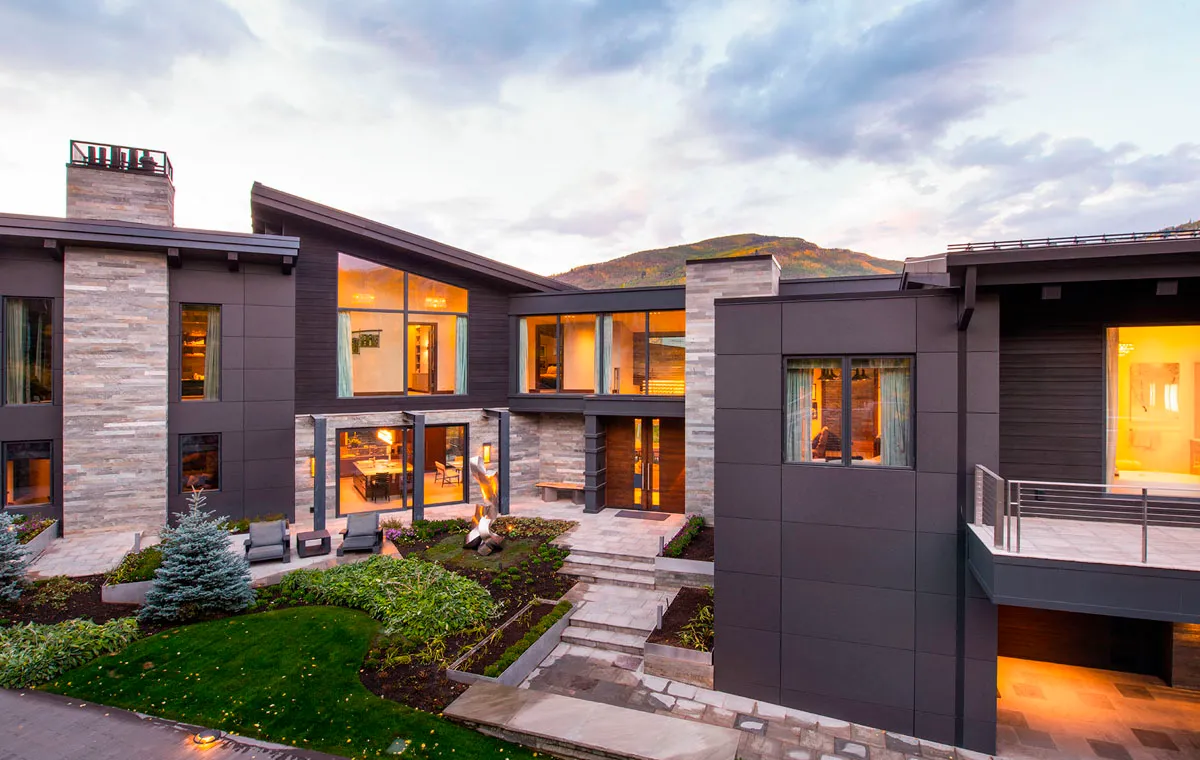
Modern architecture design has revolutionized the way we experience buildings and urban landscapes. With clean lines, functional layouts, and innovative materials, modern architecture emphasizes both aesthetics and practicality. Architects around the world are pushing the boundaries, creating spaces that are not only visually stunning but also sustainable and adaptive to contemporary lifestyles.
From sleek residential buildings to iconic museums, modern architecture design blends artistic expression with engineering precision. It’s a reflection of cultural trends, technological advancement, and an evolving understanding of human interaction with space.
Key Principles of Modern Architecture Design
At its core, modern architecture design embraces simplicity, minimalism, and a focus on open, flexible spaces. Architects prioritize natural light, ventilation, and seamless indoor-outdoor connections. Materials like glass, steel, and concrete are often used to create bold statements while maintaining structural efficiency.
Functionality remains central. Modern designs ensure that form complements purpose, with spaces tailored to the way people live, work, and socialize. Sustainability, energy efficiency, and smart technologies are increasingly integral components of modern architectural projects.
Iconic Examples of Modern Architecture Design
Several buildings around the world exemplify the impact of modern architecture design:
1. The Guggenheim Museum, New York, USA
Designed by Frank Lloyd Wright, this museum showcases organic forms and flowing spaces. The use of concrete curves and natural light reflects the principles of modern architecture while creating a unique visitor experience.
2. The Louvre Pyramid, Paris, France
I.M. Pei’s glass pyramid is a striking example of modern architecture design blending with historical surroundings. Its geometric simplicity contrasts beautifully with the classical museum buildings, symbolizing innovation and harmony.
3. The Heydar Aliyev Center, Baku, Azerbaijan
Zaha Hadid’s fluid design illustrates the potential of modern architecture to create dynamic, futuristic forms. The building’s curves and flowing spaces challenge traditional structural norms and highlight creative freedom in architecture.
4. Bosco Verticale, Milan, Italy
These residential towers integrate greenery into urban living, combining aesthetics with environmental consciousness. The Bosco Verticale exemplifies modern architecture design that addresses sustainability while enhancing urban life.
The Role of Technology in Modern Architecture Design
Technology has transformed modern architecture design, enabling architects to experiment with shapes, materials, and construction methods that were previously impossible. 3D modeling, parametric design, and virtual reality allow precise visualization, efficient planning, and creative exploration.
Smart systems integrated into buildings improve energy efficiency, climate control, and security. From automated lighting to advanced HVAC systems, technology ensures modern architecture design not only looks impressive but also functions seamlessly for occupants.
Sustainable Practices in Modern Architecture
Sustainability is a cornerstone of modern architecture design. Architects focus on minimizing environmental impact through energy-efficient structures, renewable materials, and eco-friendly technologies. Green roofs, solar panels, and rainwater harvesting systems are common features.
Designs prioritize natural light, passive heating and cooling, and energy-saving layouts. Modern architecture demonstrates that functionality, beauty, and environmental responsibility can coexist, setting a benchmark for future urban development.
Interior Design and Modern Architecture
The interior spaces of modern buildings reflect the principles of modern architecture design. Open floor plans, multifunctional furniture, and minimalistic aesthetics create a sense of spaciousness and adaptability.
Color palettes often favor neutral tones with occasional bold accents, highlighting architectural features rather than cluttering the space. Interiors align with the exterior design, ensuring harmony and continuity between indoor and outdoor areas.
Real-Life Applications of Modern Architecture Design
In urban environments, modern architecture design enhances livability and functionality. Residential towers, office complexes, and cultural centers showcase how thoughtful design improves experiences for residents and visitors alike.
The Rivera family, for example, recently moved into a modern apartment complex featuring floor-to-ceiling windows, green terraces, and energy-efficient systems. These design elements not only provide comfort but also create a visually engaging and environmentally responsible lifestyle.
Emerging Trends in Modern Architecture Design
Modern architecture continues to evolve with trends like biophilic design, adaptive reuse, and mixed-use developments. Architects integrate natural elements, repurpose old structures, and create multifunctional spaces to meet urban demands.
Parametric design allows for unique forms that respond to environmental conditions, enhancing energy efficiency and aesthetic appeal. Minimalism remains popular, but experimental shapes, materials, and textures are pushing the boundaries of what is considered “modern” in contemporary architecture.
Challenges in Modern Architecture Design
Despite its innovation, modern architecture design faces challenges. Balancing aesthetics with functionality, meeting environmental regulations, and managing construction costs are ongoing concerns.
Urban density also presents limitations, requiring creative solutions to maximize space without compromising design quality. Collaboration between architects, engineers, and city planners is crucial to overcome these challenges while maintaining visionary designs.
The Influence of Culture on Modern Architecture
Modern architecture design is deeply influenced by local culture and context. Regional materials, climate considerations, and cultural aesthetics shape projects uniquely, blending contemporary trends with traditional values.
For instance, in Japan, modern designs often incorporate minimalism and natural elements, reflecting Zen philosophy. In Scandinavian countries, light and functional simplicity dominate, emphasizing comfort and efficiency. Culture ensures modern architecture is not just globally stylish but locally relevant.
Future of Modern Architecture Design
The future of modern architecture design is likely to focus on sustainability, technology integration, and human-centric spaces. Smart buildings that adapt to environmental conditions, energy self-sufficiency, and designs that promote well-being will define the next era of architecture.
Emerging trends suggest that modular construction, advanced materials, and AI-assisted design will enable architects to innovate faster and create buildings that are more resilient, sustainable, and visually striking.
Creating Lasting Impressions Through Modern Architecture
The true impact of modern architecture design lies in its ability to shape experiences. Visitors, residents, and workers interact with space differently when surrounded by thoughtfully designed structures.
Buildings are not just shelters—they become landmarks, cultural symbols, and community centers. Modern architecture design transforms urban landscapes, influences lifestyles, and inspires creativity, leaving lasting impressions on everyone who encounters these spaces.
Read also:
