


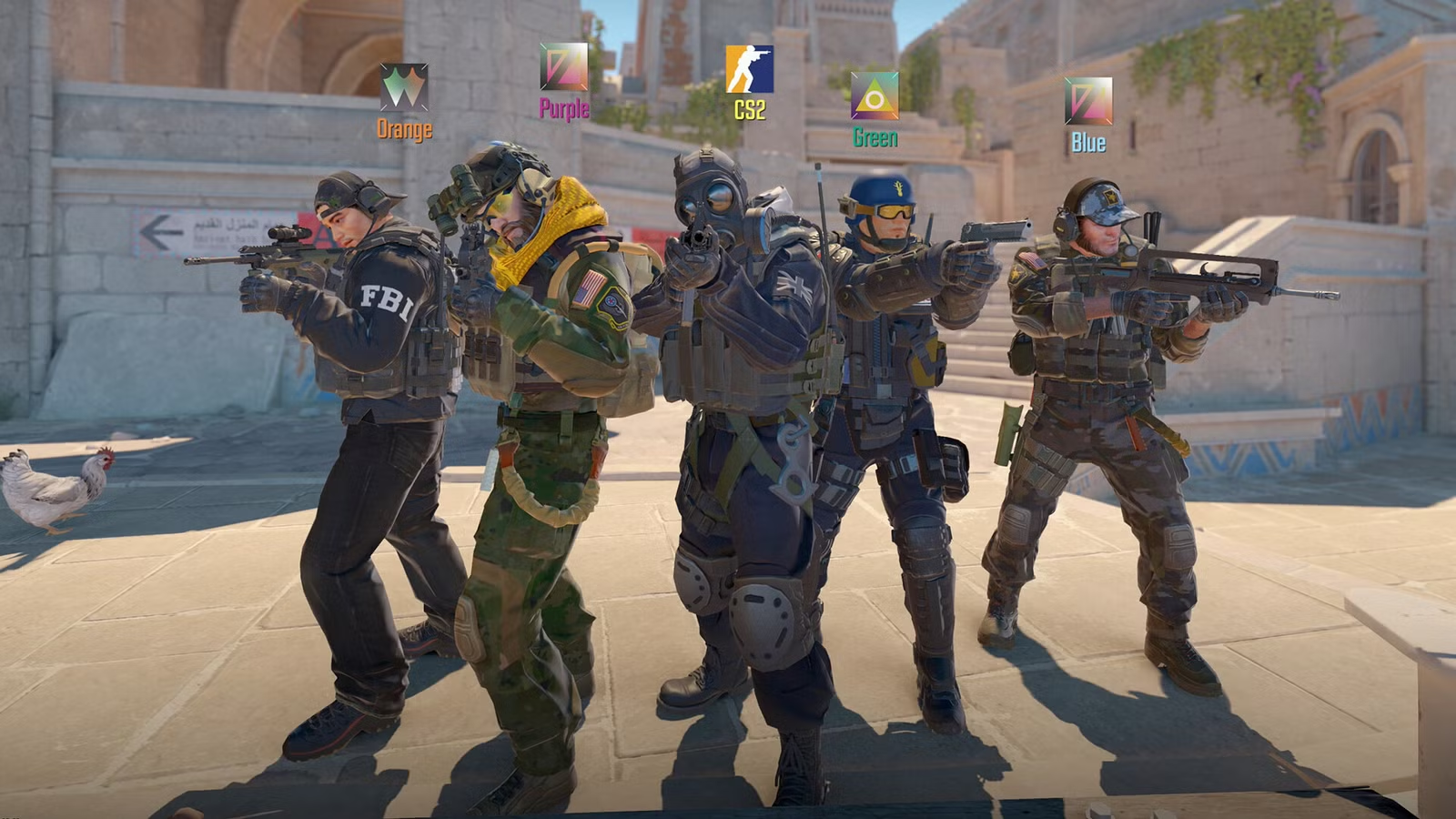
Online multiplayer games have become the heart of modern gaming culture, connecting players from different cities, countries, and backgrounds in real time. Online multiplayer games now shape how friendships form, how competition evolves, and how entertainment blends with social interaction. What once started as simple two-player connections has grown into massive digital worlds where millions play together daily.
The Early Growth of Online Multiplayer Experiences
The rise of online multiplayer gaming began with PC titles like Counter-Strike, Age of Empires, and World of Warcraft. These games introduced the idea that players could collaborate or compete beyond local networks. As internet speeds improved, the appeal of shared virtual experiences grew, making multiplayer gameplay more stable and accessible to a global audience.
How Online Multiplayer Games Build Social Connections
One of the strongest reasons players return to online multiplayer titles is the social bond they create. Games such as Fortnite, Among Us, and Minecraft turn gaming into a shared activity rather than a solo experience. Voice chat, team objectives, and cooperative missions help players communicate, trust each other, and build long-term friendships through gameplay.
Competitive Spirit and Skill-Based Matchmaking
Competition is at the core of online multiplayer gaming. Developers use advanced matchmaking systems to pair players with similar skill levels, ensuring balanced and exciting matches. Titles like Valorant, Call of Duty, and Apex Legends reward practice, strategy, and teamwork, pushing players to improve their skills with every match.
Online Multiplayer Games and the Rise of Esports
The esports industry has grown rapidly due to popular online multiplayer titles. Games such as League of Legends, Dota 2, and PUBG have transformed casual players into professional athletes. Global tournaments attract millions of viewers, with organizations like Riot Games and Valve investing heavily in competitive ecosystems.
Mobile Online Multiplayer Games Expanding Access
Mobile platforms have made online multiplayer gaming more accessible than ever. Games like PUBG Mobile, Free Fire, and Clash of Clans allow players to compete anytime and anywhere. Affordable smartphones and stable mobile internet have played a major role in bringing multiplayer gaming to new regions and age groups.
Cross-Platform Play Breaking Barriers
Cross-platform gaming is one of the most impactful trends in online multiplayer games. Titles like Fortnite and Rocket League allow players on PC, console, and mobile to play together seamlessly. This removes platform limitations and creates unified communities where friends can connect regardless of their device.
Role of Game Developers in Shaping Multiplayer Worlds
Leading developers like Epic Games, Activision, and Tencent continuously update their multiplayer titles to keep players engaged. Seasonal updates, new maps, and limited-time events encourage players to return regularly. These updates also reflect player feedback, making multiplayer environments more dynamic and player-focused.
Online Multiplayer Games as Digital Communities
Many online multiplayer games function as virtual communities rather than simple entertainment products. Guilds, clans, and teams create a sense of belonging. In games like World of Warcraft and Final Fantasy XIV, players celebrate achievements, plan events, and support each other beyond gameplay.
Monetization Models in Online Multiplayer Games
Free-to-play models dominate online multiplayer gaming, with revenue generated through in-game purchases. Cosmetic skins, battle passes, and character upgrades are common monetization strategies. Companies like Supercell and Epic Games have shown that fair monetization can coexist with enjoyable gameplay.
The Psychological Appeal of Multiplayer Interaction
The excitement of unpredictable human opponents makes multiplayer games emotionally engaging. Unlike AI-controlled enemies, real players adapt, strategize, and surprise each other. This unpredictability keeps matches fresh and encourages long-term engagement, making online multiplayer games more replayable than single-player titles.
Impact of Streaming and Content Creation
Streaming platforms like Twitch and YouTube Gaming have boosted the popularity of online multiplayer titles. Watching skilled players compete or entertain audiences creates interest and inspires viewers to try the games themselves. Streamers often influence gaming trends and help games reach wider audiences organically.
Online Multiplayer Games and Cultural Exchange
Online multiplayer gaming allows players from different cultures to interact naturally. Language barriers fade through shared objectives and teamwork. Games such as Genshin Impact and Overwatch showcase diverse characters and global influences, promoting inclusivity and cultural appreciation.
Security, Fair Play, and Anti-Cheat Systems
As online multiplayer gaming grows, maintaining fair play becomes crucial. Developers invest in anti-cheat technologies and moderation systems to protect players. Platforms like Steam and Battle.net enforce strict policies to ensure safe and competitive environments for all participants.
Role of Artificial Intelligence in Multiplayer Systems
AI enhances online multiplayer games through smarter matchmaking, cheat detection, and adaptive gameplay. Artificial intelligence also helps balance characters and weapons, ensuring that no single strategy dominates the game. These systems improve overall player satisfaction and competitive fairness.
Online Multiplayer Games for Casual and Hardcore Players
Not all online multiplayer games demand intense competition. Casual titles like Fall Guys and Stumble Guys offer lighthearted fun, while hardcore games focus on skill mastery. This variety ensures that players of all experience levels find games suited to their preferences.
Educational and Skill Development Benefits
Online multiplayer gaming can improve communication, strategic thinking, and teamwork skills. Coordinating with teammates in games like Rainbow Six Siege requires planning and clear communication. These skills often translate into real-world problem-solving and collaboration abilities.
The Role of Updates and Live Services
Live service models keep online multiplayer games evolving. Frequent updates introduce new challenges, stories, and features that maintain player interest. Games like Destiny 2 and Warframe thrive on continuous content, proving that long-term engagement depends on regular innovation.
Online Multiplayer Games and the Future of Entertainment
The future of online multiplayer gaming looks increasingly immersive. Virtual reality, augmented reality, and cloud gaming are expected to enhance multiplayer experiences further. Companies like Meta and Microsoft are exploring new ways to merge social interaction with gaming technology.
Why Online Multiplayer Games Continue to Dominate
The lasting appeal of online multiplayer games lies in their ability to adapt, connect, and entertain. By combining technology, creativity, and human interaction, these games remain relevant across generations. As digital connectivity improves, multiplayer gaming will continue to shape how people play and interact online.
Read also:
wheon.com online games
prime gaming rewards
fortnite wrapped 2024
wheon.com gta 5