
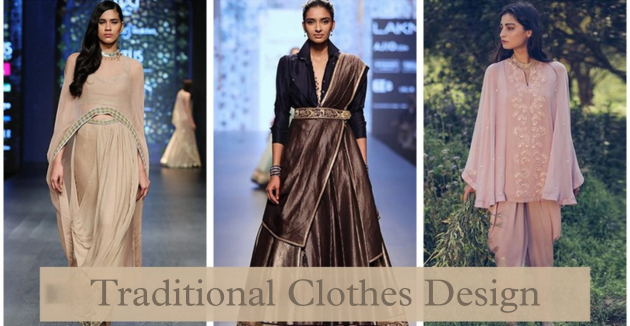
Traditional clothes design captures the essence of cultural heritage, weaving stories of history, identity, and craftsmanship into every stitch.
I’ve always been fascinated by how a simple garment can carry generations of tradition, making you feel connected to something bigger.
From family gatherings to festivals, these pieces bring a sense of pride and belonging that’s hard to match with everyday wear.
Drawing from global influences and modern adaptations, 2025 is seeing a beautiful revival where age-old techniques meet contemporary life.
Think about slipping into something that not only looks stunning but also tells a tale— that’s the quiet power we’re exploring here.
Fashion today isn’t about forgetting roots; it’s about honoring them while making room for personal expression.
From my travels and closet experiments, I’ve discovered how these designs adapt beautifully to daily routines.
Artisans worldwide are breathing new life into classic silhouettes with sustainable practices and subtle updates.
If you’re looking to add depth to your wardrobe, let’s dive into what makes this style so enduring.
Iconic Examples of Traditional Clothes Design Around the World
The Graceful Saree from India
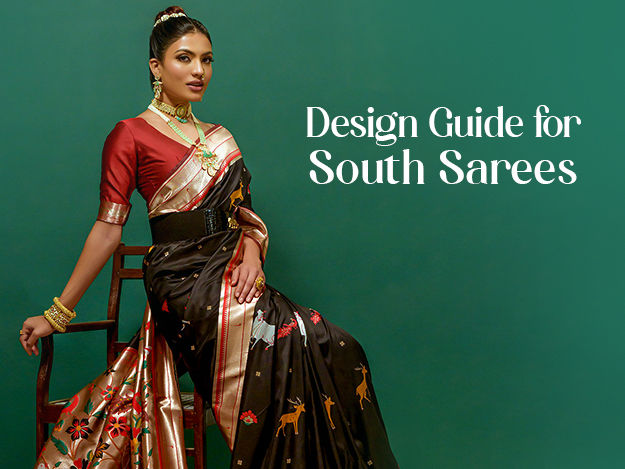
One of the most recognizable is the Indian saree, a six to nine-yard drape that’s both elegant and versatile.
Picture wrapping a vibrant silk saree for a wedding— the way it flows adds instant grace.
Designs often feature intricate borders, motifs like paisleys or florals symbolizing prosperity.
South Indian styles bring unique temple borders and rich colors.
I’ve draped one for a cultural event, feeling the weight of tradition in every pleat.
Modern twists include lighter fabrics for comfort.

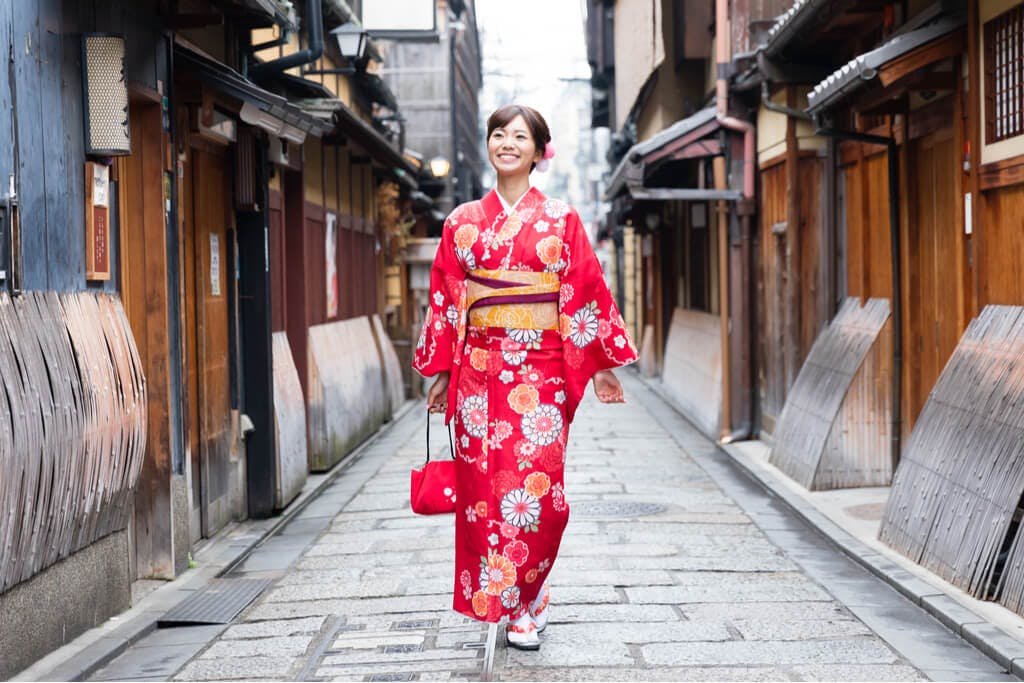
In Japan, the kimono layers beauty with wide sleeves and obi belts tying it all together.
Traditional patterns reflect seasons, like cherry blossoms for spring.
Contemporary versions shorten sleeves or add bold prints for everyday wear.
Korea’s hanbok brings vibrant colors and flowing lines, often with embroidered details.
I’ve seen friends mix hanbok tops with jeans— effortless fusion.
These designs prioritize harmony and respect for nature.
African traditional clothes design shines with bold Ankara or Kente prints.
Dashiki shirts feature loose fits and vivid embroidery, symbolizing joy and community.
Women’s dresses wrap or flare, celebrating body positivity.
From West African wax prints to South African Shweshwe, patterns tell tribal stories.
A friend wore an Ankara maxi to a party— heads turned with admiration.
Sustainability comes naturally through durable, hand-dyed fabrics.

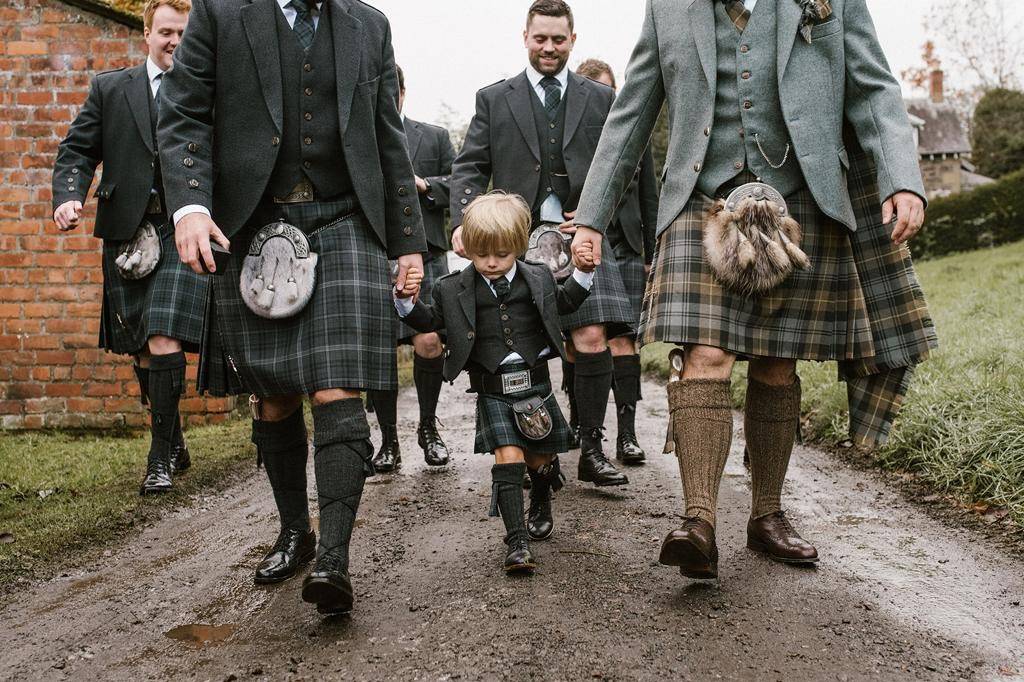
The Scottish kilt represents clan pride with tartan patterns unique to families.
Pleated wool offers practicality in rugged terrains.
Worn with sporrans and jackets for formal occasions.
I’ve attended a Highland gathering where kilts added such character.
Similar pride shows in Irish arans or Scandinavian folk dresses.
These endure through quality craftsmanship.
Intricate Huipil and Latin American Textiles
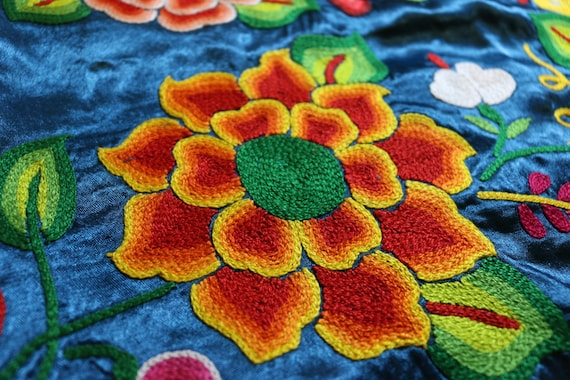
Mexican huipil blouses burst with hand-embroidered flowers and geometrics.
Each region has distinct motifs, often telling local legends.
Worn loosely over skirts, they’re breathable for warm climates.
I’ve collected one from Oaxaca— the detail amazes up close.
Mayan influences keep techniques alive across generations.
Symbolism ties to nature and spirituality.

Flowing Abaya from the Middle East
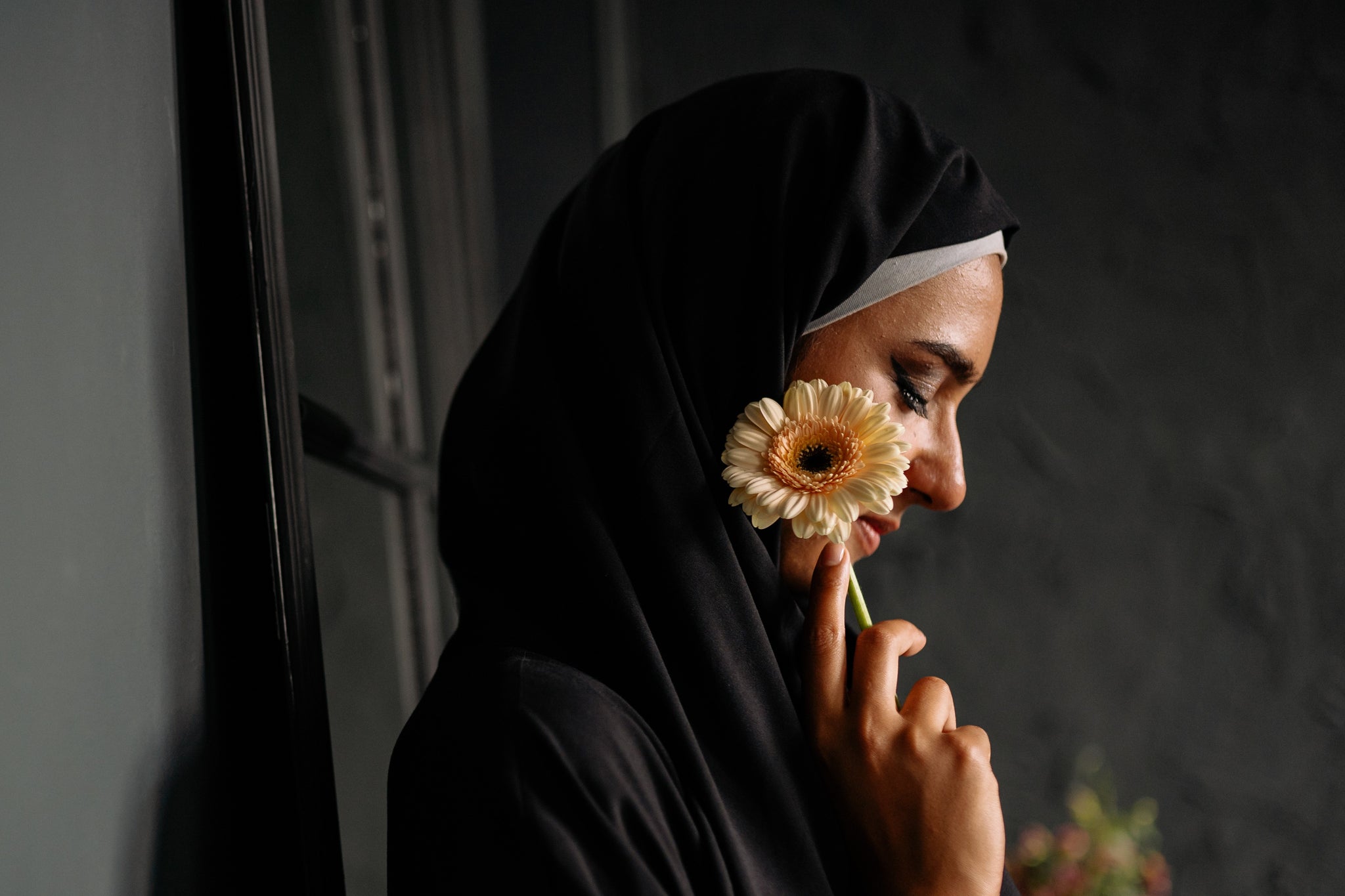
Middle Eastern abaya offers modest elegance with flowing black fabric.
Modern designs add subtle embroidery or colored linings.
Layered for versatility in different settings.
Cultural significance lies in grace and privacy.
Friends share how it empowers confident movement.
Luxurious materials elevate everyday wear.

The Rise of Fusion in Traditional Clothes Design
Blending Heritage with Modern Silhouettes
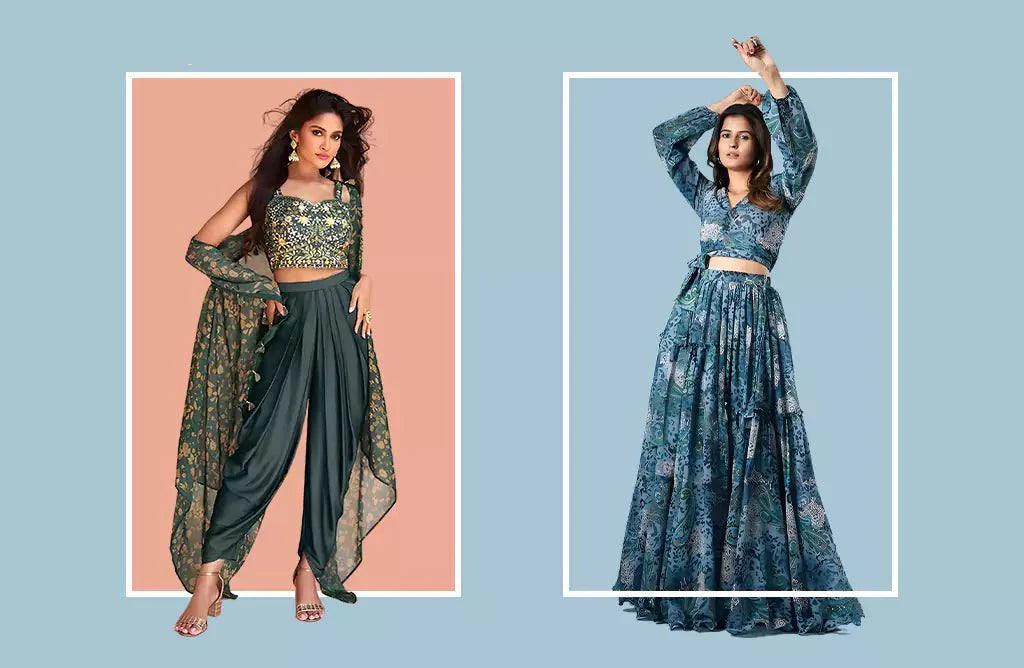
2025 highlights fusion, mixing traditional clothes design with contemporary cuts.
Think saree gowns or kimono jackets over pants.
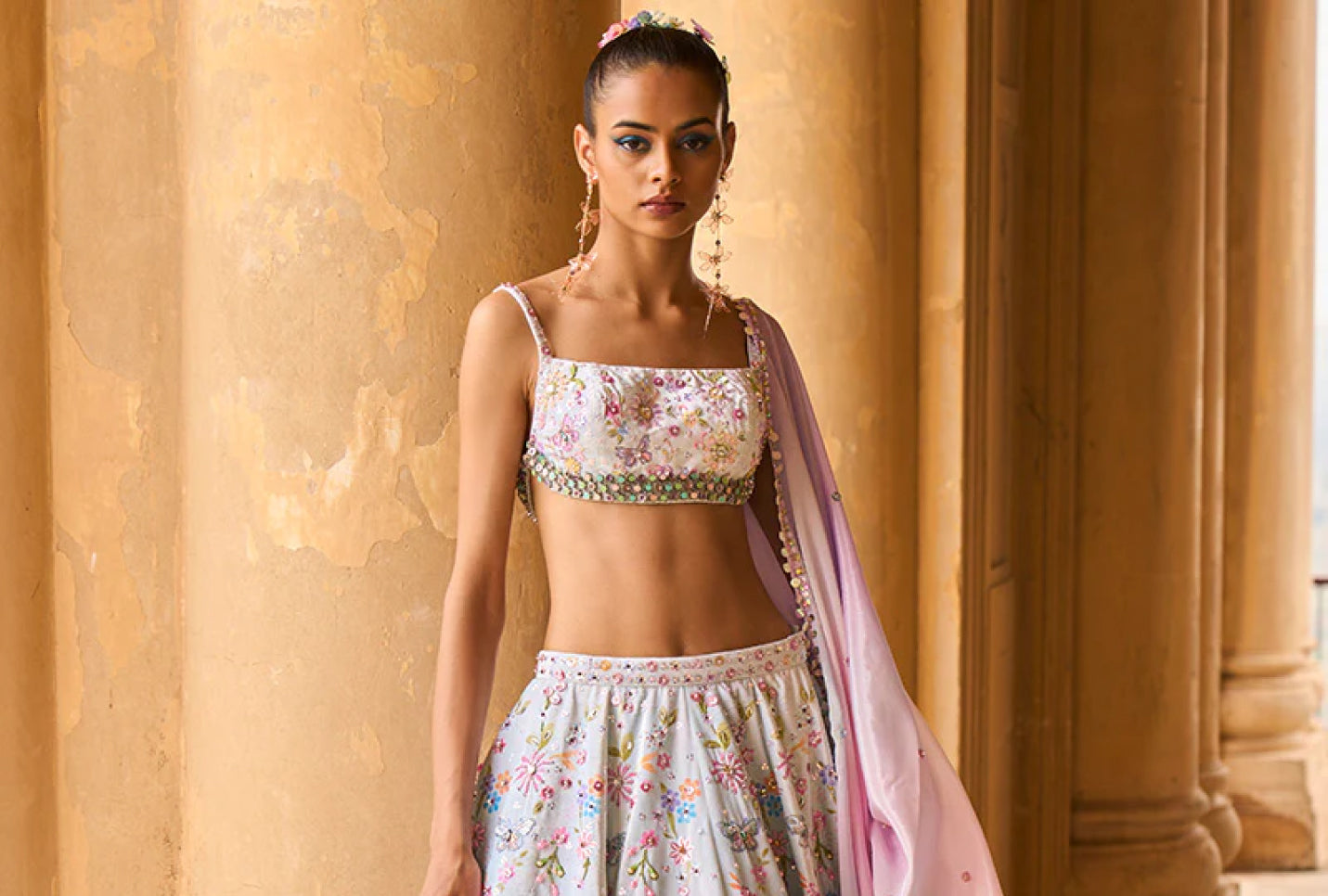
Indo-Western lehengas pair cropped tops with flared skirts.
African prints on blazer dresses create bold statements.
I’ve tried a hanbok-inspired skirt with a sweater— comfortable yet unique.
This approach makes heritage accessible daily.

Sustainable Practices in Traditional Crafting
Sustainability thrives in these designs through natural dyes and handloom.
Indian khadi or organic cotton reduces environmental impact.
Artisans revive block printing or ikat for eco-friendly appeal.
Brands collaborate with communities, ensuring fair wages.
Buying one piece supports generations of skill.
Long-lasting quality counters fast fashion waste.
Cultural motifs like peacocks or geometrics carry symbolic depth.
Colors often represent emotions— red for celebration, white for purity.
Embroidery techniques vary, from zardozi goldwork to cross-stitch.